Working at construction sites, factories, or hazardous environments requires workers to be equipped with proper worker protective equipment to ensure safety. So, what is worker protective equipment and what types are commonly used? Let’s explore this topic with Thien Bang in the following article.
What Is Worker Protective Equipment?
Worker protective equipment refers to tools, gear, and protective clothing designed to safeguard workers from hazards during the working process.
Common types of worker protective equipment include safety helmets, protective glasses, gloves, masks, safety shoes, and protective clothing. These products help minimize the impact of hazards such as impacts, chemicals, dust, noise, extreme temperatures, and other occupational risks, contributing to reducing workplace injuries and accidents.
Types of Worker Protective Equipment
Head and Face Protection
Safety helmet: Protects the head from impacts and falling objects. Some models are integrated with face shields or ear protection.
Ho Quang Protective Helmet
Tangfeng Protective Helmet
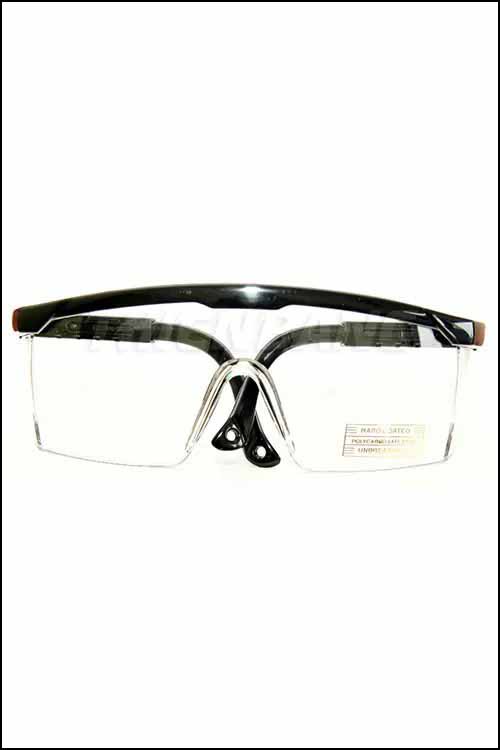
Safety glasses: Protect the eyes from dust, metal particles, chemicals, and UV rays. Some types feature anti-glare lenses for welding applications.
Protective face shield: Helps protect the face from smoke, dust, chemicals, and sparks, commonly used in welding, painting, mechanical, and chemical industries.
Respiratory Protection
Protective masks: Help prevent dust, fine particles, bacteria, and some harmful agents in common working environments.
Respirators: Use specialized filters to reduce exposure to toxic gases, chemical vapors, or smoke in high-risk workplaces.
Hearing Protection
Earplugs: Compact and suitable for environments with moderate noise levels.
Noise-canceling earmuffs: Used in high-noise environments such as mechanical workshops, mining, and metallurgy.
3M 1290 Noise Reduction Earplugs
3M 340-4004 Noise Reduction Earplugs
Hand Protection
Safety gloves: Depending on the working environment, different types are available, including fabric gloves, rubber gloves, cut-resistant gloves, electrical insulating gloves, and heat-resistant gloves to protect hands from dirt, oil, impacts, and specific workplace hazards.
Blue Coated Gloves
3M Cut Resistant Gloves
Foot Protection
Safety shoes: Designed with steel toe caps, puncture-resistant soles, and slip-resistant features, suitable for construction sites, factories, and warehouses.
Safety boots: Used in wet environments, chemical areas, or flood-prone locations, providing effective foot protection and water resistance.
Dragon Protective Shoes
White Rubber Boots with Yellow Sole
Body Protection
Protective clothing: Helps protect the body from dust, oil, chemicals, and workplace hazards.
Standard protective clothing: Includes worker uniforms, engineer uniforms, and technical workwear commonly used in factories and construction sites.
Specialized protective clothing: Includes flame-resistant clothing, chemical-resistant clothing, anti-static clothing, and high-visibility clothing for workplaces with strict safety requirements.
Fall Protection Equipment
Safety harness: Helps secure workers and reduce the risk of falls when working at height in construction, electrical, and telecommunications industries.
Safety hooks and fall arrest lanyards: Used with fixed anchor points to improve safety and minimize the risk of falling.
Half Body Fall Protection Harness
Full Body Safety Harness with 2 Hooks
Criteria for Choosing Worker Protective Equipment
Suitable for Workplace Hazards
Each working environment has different risks, such as impacts, chemicals, high temperatures, dust, noise, or electrical hazards.
Workers should choose the right type of PPE that provides protection against specific risks to ensure safety during use.
Meets Technical Standards
Priority should be given to equipment that meets safety standards such as TCVN, ISO, ANSI, EN, or other relevant quality certifications.
Suitable for Users
PPE should have appropriate sizes and fit workers comfortably without restricting movement.
Equipment that is too loose or too tight may affect protection effectiveness and work performance.
High Durability and Easy Maintenance
Protective equipment should have good durability, withstand actual working conditions, and maintain protective performance throughout its service life.
Products that are easy to clean, maintain, and replace when necessary should be prioritized.
Ability to Work with Other Equipment
In many industries, workers need to use multiple types of PPE simultaneously, such as helmets, glasses, masks, gloves, and protective clothing.
Equipment should be designed to work together without causing inconvenience or reducing overall protection.
Reliable Supplier of Genuine Worker Protective Equipment
Lack of proper worker protective equipment can lead to administrative penalties, work suspension, increased compensation risks in case of workplace accidents, and damage to business reputation.
To ensure worker safety, businesses can consider Thien Bang – a professional manufacturer and supplier of protective equipment and protective clothing, providing solutions for various industries.
Contact Information:
📍 Hanoi City: No. 19, Lane 10 Tu Phuc, Tay Tuu Ward, Hanoi. 📍 Ho Chi Minh City: No. 36, Street 18, Binh Hung Hoa Ward, Ho Chi Minh City. 📞 Hotline: 0981.056.066 – 0986.720.134