
Working in a mechanical manufacturing environment requires workers to be equipped with appropriate protective gear. So, what types of mechanical protective equipment are needed, and which products are essential? Let’s explore the details in the article below!
Risks of working without protective equipment
Risks to workers
- Burns caused by high temperatures and welding sparks during welding and cutting.
- Skin and hand injuries from sharp metal materials or hazardous chemicals.
- Eye damage from metal dust, intense light, and sparks.
- Health effects from excessive noise, dust, and toxic fumes.

Risks to businesses
- Compensation and incident handling costs.
- Production disruptions.
- Damage to business reputation and image.
- Legal risks due to failure to meet safety requirements.
Providing adequate personal protective equipment for the mechanical engineering helps to:
- Protect workers.
- Protect businesses.
- Reduce risks and additional costs.
5 important mechanical protective equipment
Impact-resistant safety helmet
- Essential equipment to protect the head for mechanical and manufacturing workers.
- Choose helmets made from durable ABS plastic with impact resistance of 50N–200N.
- Prioritize products with various colors (blue, red, yellow, orange, white…) for easier identification.
Safety glasses
- Protect workers’ eyes from dust, welding sparks, and metal fragments.
- Choose glasses with clear vision, compact design, and comfortable use in dusty or outdoor environments.

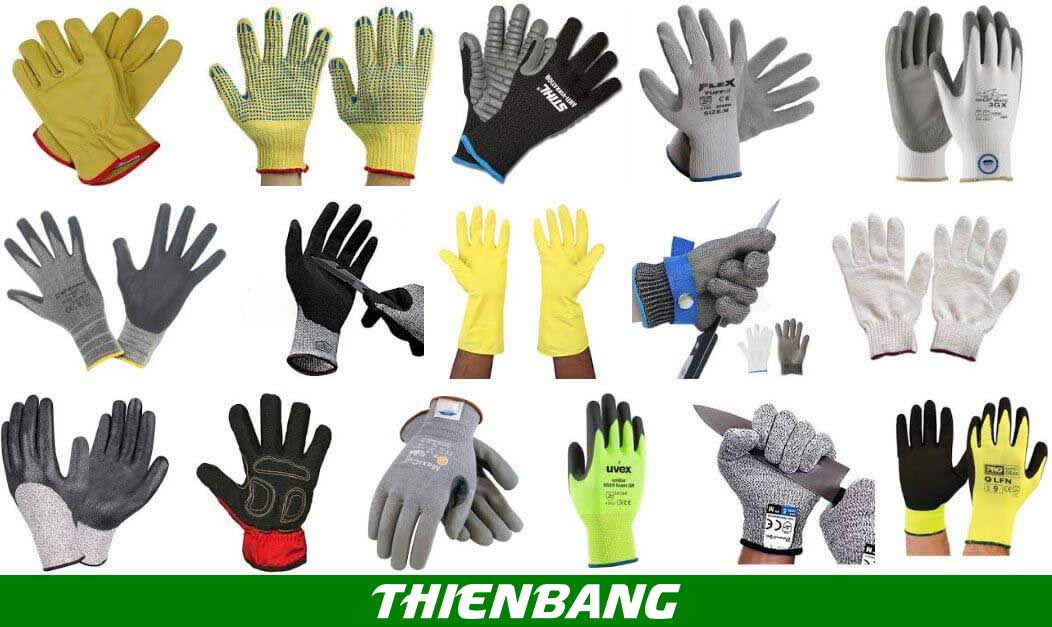
Safety gloves
- Protect hands when working with machinery and metal materials.
- Choose gloves with soft materials for secure grip and reduced hand injuries.
- Prioritize gloves with cut resistance, puncture resistance, and heat resistance suitable for different working conditions.
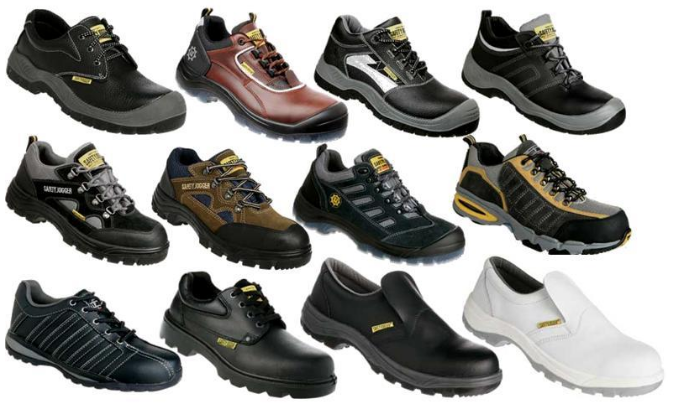
Safety shoes
- Anti-puncture sole: Steel or Kevlar layers help prevent nails and sharp objects from penetrating.
- Anti-slip sole: Rubber or PU materials provide better grip on various surfaces.
- Impact-resistant toe cap: Protects toes from heavy objects and strong impacts.
Mechanical protective clothing
- Choose durable fabrics such as blended Kaki or Korean Pangrim with good sweat absorption.
- Helps protect skin from welding sparks, dust, and other mechanical hazards.
- Prioritize easy-to-clean designs with UV resistance and multiple pockets for carrying tools.

Additional protective equipment for welding and cutting
Besides basic protective gear, welding and cutting work may require additional specialized equipment to enhance safety:
- Fire-resistant apron: Protects the chest and abdomen from welding sparks, high temperatures, and metal fragments.
- Protective arm sleeves: Shields arms from heat, sparks, and hot materials.
- Respiratory mask: Reduces exposure to metal dust, welding fumes, and harmful substances.
- Ear muffs and ear plugs: Reduce noise impact and protect hearing during welding, cutting, and mechanical processing.
Safety standards to consider when choosing mechanical protective equipment
- EN ISO 11611: Protective clothing standard for welding work, helping protect against heat and welding sparks.
- EN ISO 11612: Protective clothing standard against heat and flame hazards.
- ANSI Z87.1: Safety glasses standard for impact resistance and eye protection.
- EN 352-1: Hearing protection standard to reduce noise exposure.
- EN ISO 20345: Safety footwear standard for impact and puncture resistance.
- EN 388: Protective glove standard against abrasion, cutting, tearing, and puncture.
Trusted supplier of mechanical protective equipment
If you are looking for a supplier of quality mechanical protective equipment with diverse products and safety standards, Thien Bang Safety is a reliable choice. We provide genuine protective products along with dedicated consultation services, helping businesses select suitable solutions for their specific needs.
Safety is not a cost, but a long-term investment in workers and sustainable business development.
Contact us now for the best quotation:
📞 Hotline: 0981.056.066 – 0986.720.134
🌐 Website: thienbang.vn
📩 Email: it.thienbang@gmail.com
See at more: How to Choose the Right PPE Clothing for Your Workforce
See at more: PPE Clothing Standards Explained: ISO, ANSI, and Global Requirements