
Protective gloves help protect your hands from various hazards during work. However, when gloves become damaged or deteriorated, their protective performance can be affected. So, when should you replace protective gloves? Let’s explore the signs with Thien Bang below.
Signs that protective gloves need to be replaced
Gloves become slippery and lose their grip
When the coating on PU, nitrile, or latex gloves becomes worn, friction is reduced, making it more difficult to grip tools and increasing the risk of slipping during work. This is particularly important when working in environments involving oil and grease or when operating machinery.
Solution: You should replace protective gloves as soon as you notice that the grip is no longer secure or gripping objects becomes difficult.
Small tears or holes appear
Even a small tear or hole can reduce the ability of gloves to protect against chemicals, bacteria, or sharp objects. Continuing to use damaged gloves may increase the risk of direct contact with hazardous substances.
Advice: Check the surface of the gloves before use and replace protective gloves when you notice tears, holes, or other damage.
Gloves become loose and no longer fit closely
Rubber or knitted gloves may stretch after prolonged use. When gloves no longer fit closely around the hand, they can reduce flexibility and the user’s ability to control movements during work.
Advice: Choose gloves that fit properly from the beginning and replace protective gloves when they become stretched, too loose, or no longer provide a secure fit.
Gloves develop an odor or feel sticky or damp inside
A bad odor, sticky feeling, or moisture inside gloves may indicate the accumulation of bacteria or mold, especially for gloves with a fleece lining or those frequently used in humid environments.
Risk: Continuing to use gloves in this condition may cause discomfort and increase the risk of skin problems.
Solution: Clean the gloves properly and make sure they are completely dry. Replace protective gloves if they remain damp, develop an odor, or show signs of deterioration.
Gloves change color, peel, or become hard
Exposure to strong chemicals, high temperatures, or improper cleaning can cause gloves to change color, become hardened, or develop peeling coatings. These changes indicate that the glove material has been affected and may no longer provide its original level of protection.
Advice: Use the appropriate type of gloves for each working environment, such as chemical-resistant gloves, heat-resistant gloves, or PU gloves, and replace protective gloves when clear signs of deterioration appear.
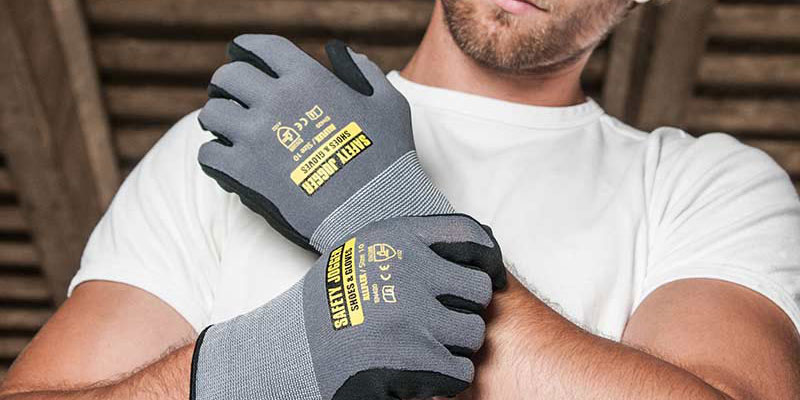
How to check when you need to replace protective gloves
Visual inspection
Carefully inspect the entire glove for tears, holes, cracks, peeling, burns, abrasion, or deformation. Pay particular attention to areas that are frequently exposed to impact or friction, such as the fingertips, palms, back of the hand, and seams.
Checking by hand and through physical contact
Use your hands to feel, squeeze, and gently stretch the gloves to check their softness, elasticity, and surface condition. Then put them on and perform gripping movements to assess fit, grip, and flexibility. If the gloves become stiff, slippery, sticky, lose elasticity, or cause discomfort, consider replacing them.
Checking protective performance
Compare the actual condition of the gloves with their original protective function. Cut-resistant gloves should maintain protection against cutting hazards; chemical-resistant gloves should remain suitable for the specific chemical and exposure time; heat-resistant gloves should maintain their heat resistance. If protective performance has deteriorated or the gloves no longer meet their intended purpose, replace protective gloves.
Pay attention to usage time
There is no single replacement period that applies to every type of glove. The appropriate time to replace protective gloves should be determined based on the glove type, frequency of use, level of exposure to hazards, and actual condition of the gloves.

Suggested replacement periods for protective gloves
| Type of protective gloves | Suggested replacement period |
| Disposable gloves (PE, nitrile, latex) | After each shift or use; do not reuse |
| Nitrile/latex gloves used regularly | Approximately 1–2 weeks, or sooner when frequently exposed to chemicals or oils |
| Cut-resistant gloves | Approximately 1–3 months with regular use |
| Leather gloves | Approximately 3–6 months under regular working conditions |
| Heat-resistant gloves | Approximately 3–6 months, depending on the frequency of heat exposure |
| Chemical-resistant gloves | Based on the breakthrough time for the specific chemical; a fixed replacement period should not be applied |
| Electrical insulating gloves | Inspect before every use and test periodically according to applicable regulations/standards; do not apply a universal replacement period |
Note: The periods above should only be considered reference periods and not mandatory service lives. For specialized protective gloves, the replacement time should prioritize the manufacturer’s instructions, inspection results, and the degree of deterioration in protective performance.

Recommendations for using protective gloves
- Inspect protective gloves before every use to identify early signs of tears, holes, cracks, or deterioration.
- Use the right type of gloves for each task, such as chemical-resistant, cut-resistant, heat-resistant, or food-grade gloves.
- Clean and store gloves according to the manufacturer’s instructions, avoiding machine washing or exposure to strong sunlight if these may damage the material.
- Replace protective gloves when they no longer provide adequate protection rather than continuing to use them simply because the expected service period has not ended.
- Choose gloves that meet the appropriate standards and intended purpose from the beginning to ensure safety and avoid unnecessary replacement.

Thien Bang – Comprehensive protective glove solutions for businesses
When gloves show signs of tearing, wear, deformation, or reduced protective performance, replacing them with the right type is essential for maintaining safety at work. Thien Bang provides a wide range of protective gloves, helping individuals and businesses choose products suitable for different working environments.
- Wide range of products Thien Bang provides PU, nitrile, latex, cut-resistant, chemical-resistant, and heat-resistant gloves for different working requirements.
- Applicable standards Products are available with commonly used standards such as EN 388, EN 374, and EN 407, depending on the specific product.
- Professional consultation Support in selecting suitable gloves based on the working environment, hazards, and frequency of use.
- Attractive business policies Preferential pricing for bulk orders, attractive discounts for businesses, fast quotations, and nationwide delivery.
Contact Thien Bang for consultation and quotations:
📞 Hotline: 0981.056.066 – 0966.831.477
🏭 Hanoi: No. 19, Alley 10, Tuu Phuc, Tay Tuu Ward
🏭 Ho Chi Minh City: No. 36, Street 18, Binh Hung Hoa Ward