
Cut-resistant gloves are personal protective equipment designed to safeguard hands against cuts and abrasions when working with materials such as metal, glass, sheet metal, knives, and other sharp objects. These gloves are widely used in sectors including mechanical engineering, construction, manufacturing, and processing. So, which cut-resistant gloves are the best choice for your specific job? Join Thien Bang as we explore how to select the right pair and review some of today’s most trusted models.
How to evaluate a good pair of cut-resistant gloves
To select the right product, consider the following criteria:
– Cut resistance level: Choose based on the hazard level of the task, ranging from light-duty work to metal processing or glass handling.
– Material: Fibers such as HPPE, Kevlar, fiberglass, or other technical fibers typically offer excellent cut resistance and high durability.
– Safety standards: Prioritize products that meet EN388 or ANSI standards to ensure reliable protection.
– Grip: PU, Latex, or Nitrile coatings enhance friction and prevent slipping during handling.
– Comfort: A snug, breathable, and flexible design allows for ease of movement and prolonged use.
Top 7 highly trusted cut-resistant gloves
3M Cut-Resistant Gloves (Level 1)
– Made from knitted material with PU coating on the fingertips and palms.
– Snug-fitting cuffs prevent slipping during use.
– Textured surface enhances friction while offering bacterial resistance and good impact protection.
– Suitable for light-duty tasks requiring high precision.
See more at: 3M Cut-Resistant Gloves – Level 1
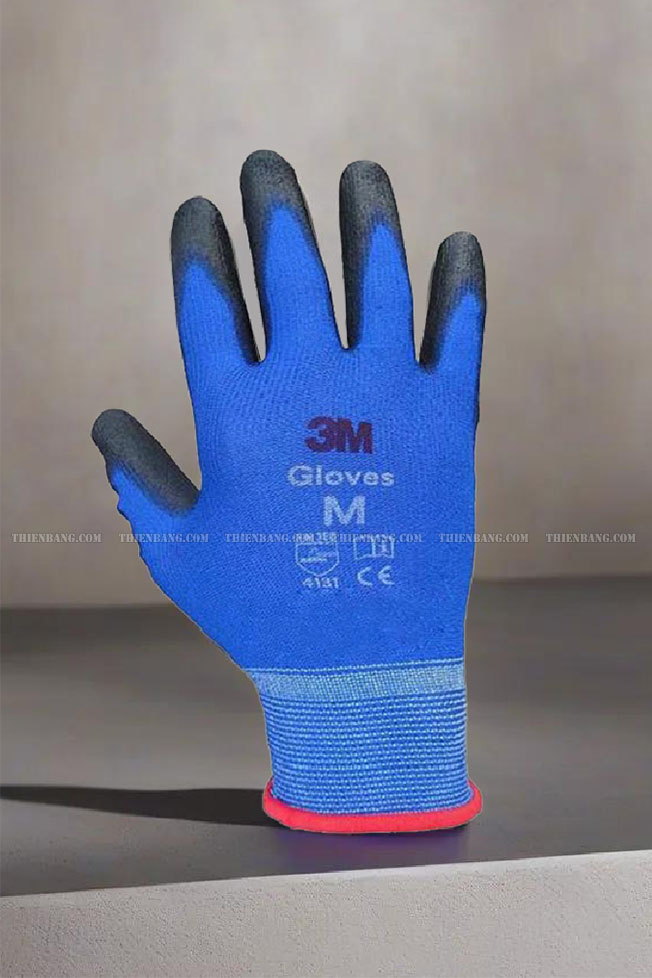
3M Cut-Resistant Gloves (Level 3)
– Constructed from a blend of HPPE fibers and Spandex; durable, highly cut-resistant, and offers a natural feel.
– Versatile for tasks involving aluminum, glass doors, or mirrors—activities that pose a risk of hand injury.
– Widely used in repair, maintenance, assembly, mechanical work, and the automotive industry.
See more at: 3M Cut-Resistant Gloves – Level 3

3M Cut-Resistant Gloves (Level 5)
– Made from high-performance technical fibers offering superior cut resistance; meets EN388 standards.
– Textured surface provides vibration and slip resistance; PU coating enhances grip.
– Suitable for recycling tasks and handling sharp objects such as iron, steel, sheet metal, aluminum, and glass.
See more at: 3M Cut-Resistant Gloves – Level 5

Ansell 11-735 Cut-Resistant Gloves
– Engineered with HPPE and glass fibers for optimal protection against sharp objects.
– Polyurethane palm coating enhances grip and prevents slipping, even in oily or wet conditions.
– Rated Cut Level 3 (EN 388); offers good abrasion and tear resistance.
– Lightweight, flexible, and form-fitting design; ideal for tasks requiring dexterity.

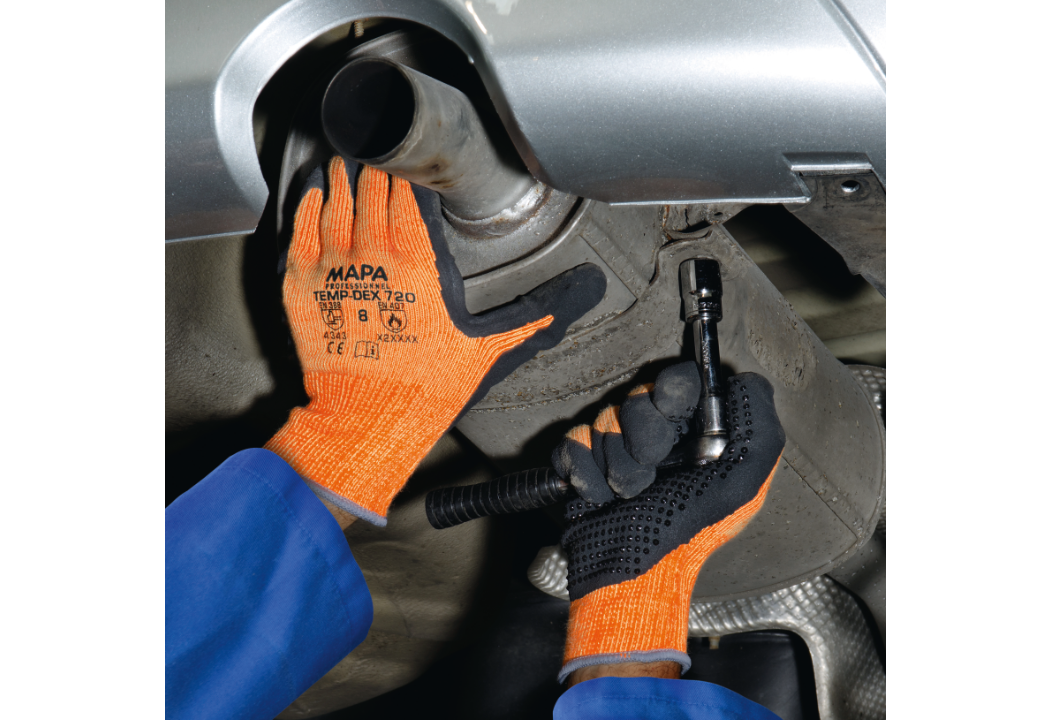
TempDex 720 Gloves
– Made from Kevlar fiber with a latex coating; highly durable with excellent grip in wet or oily conditions.
– Compliant with EN 407 heat protection standards (withstands temperatures up to 250°C for short periods) and EN 388 Cut Level 3 standards.
– Suitable for mechanical engineering, metallurgy, and manufacturing industries.
Deltaplus Venicut52 Cut-Resistant Gloves
– Constructed from HDPE, polyamide, and elastane fibers for durability and flexibility.
– Nitrile-coated palm provides resistance to abrasion, punctures, and slipping in wet or oily environments.
– Rated Cut Level 5 (EN 388); lightweight, breathable design; available in sizes S–XXL.
Jogger Shield Cut-Resistant Gloves
– Trusted brand; durable, safe knitted fabric offering excellent grip and cut resistance.
– Light oil resistance provided by a PU coating; suitable for automotive repair, machinery maintenance, and mechanical work.

Which cut-resistant gloves are best for you?
Based on the criteria above, here are some quick recommendations tailored to specific needs:
– Best for general mechanical and construction work: Deltaplus Venicut52 or 3M Level 5 — offering high cut resistance, good durability, and a reasonable price.
– Best if heat resistance is also required: TempDex 720 — provides Level 3 cut resistance and withstands temperatures up to 250°C, making it suitable for metallurgical environments.
– Best for tasks requiring high dexterity and precision: Ansell 11-735 or Jogger Shield — featuring a snug, lightweight design that allows for easy handling.
– Best for light-duty tasks and electronics assembly: 3M Level 1 — thin and flexible, yet ensuring basic safety.
Overall, there is no single “absolute best” model; the most suitable glove is the one that meets the specific cut-resistance level and actual working conditions you require.
Frequently Asked Questions
Are cut-resistant gloves also puncture-resistant?
==> Not entirely. Cut-resistant gloves are designed to reduce the risk of cuts from sharp objects; puncture resistance depends on the specific product line and technical standards.
Are cut-resistant gloves washable?
==> Yes. Most products can be washed with clean water or mild soap. Avoid using harsh chemicals or high-heat drying to maintain fiber durability.
How often should cut-resistant gloves be replaced?
==> They should be replaced if torn, if the coating is worn, or if protective capabilities diminish. For businesses with frequent usage, periodic inspection and replacement help ensure worker safety.
Conclusion
Cut-resistant gloves are essential when work involves frequent contact with metal, glass, or sharp objects. We hope this information and the suggestions from Thien Bang help you better understand the product and find the right pair of gloves to protect your hands while working.
Need help choosing the right cut-resistant gloves? Contact Thien Bang for advice.
Hotline / Zalo:
Northern Vietnam: 0981.056.066 – 0961.203.270
Southern Vietnam: 0966.831.477 – 0986.720.134