
The protective capacity of a mask depends not only on its materials but also on strict testing requirements. Whether used in industry, construction, or healthcare, each product line must achieve its own filtration efficiency and safety standards. Join Thien Bang in exploring protective mask standards to easily identify quality products suitable for each practical working environment.
Classification of protective mask standard systems
American standard (NIOSH)
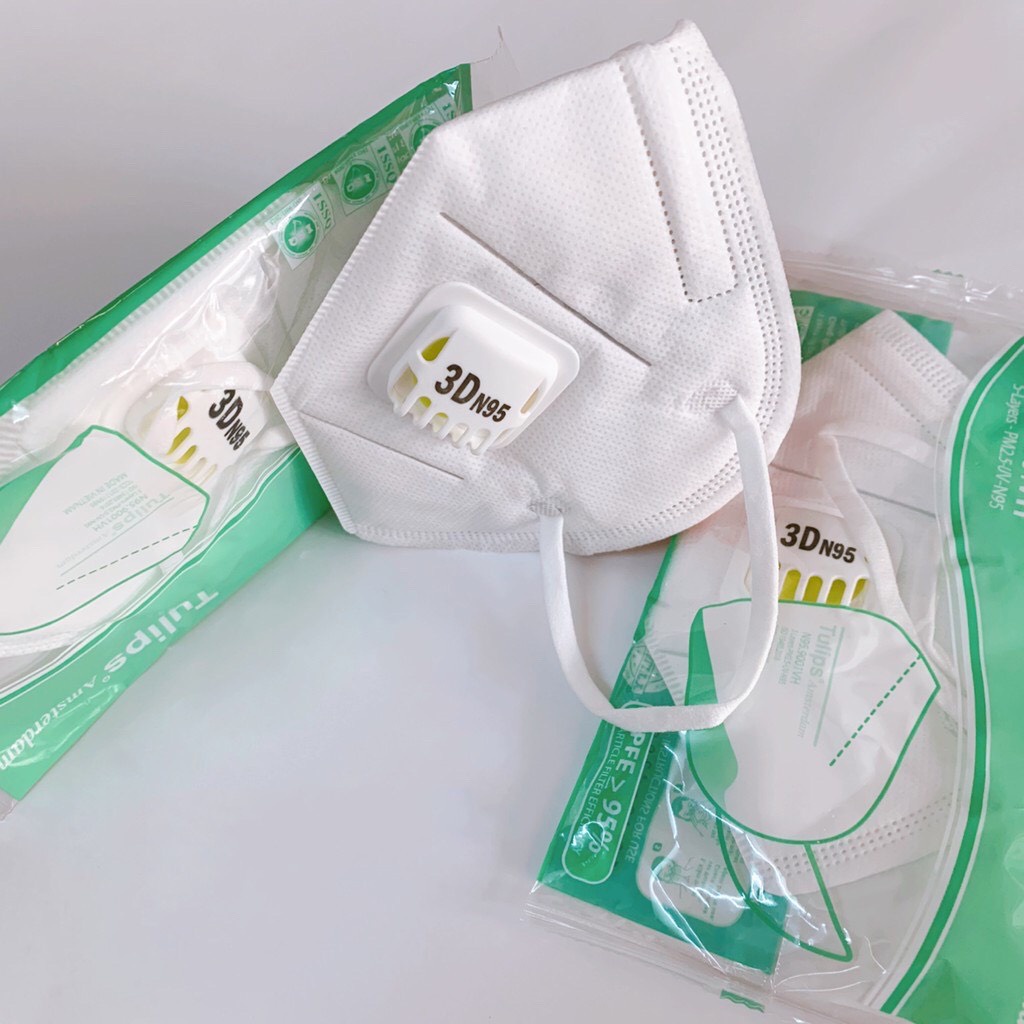
NIOSH (National Institute for Occupational Safety and Health) is the standard issued by the US National Institute for Occupational Safety and Health to evaluate the quality and protective effectiveness of masks and respirators. This is one of the world’s leading reputable certification systems, widely applied in healthcare, construction, industry, and environments with high levels of fine dust.
The NIOSH standard classifies masks based on two main factors: oil resistance (letter designations) and particle filtration efficiency (number designations):
Letter designations:
- N (Not resistant to oil): Not resistant to oil.
- R (Resistant to oil): Limited oil resistance.
- P (Oil Proof): Effective oil resistance in environments with oil mists.
Number designations: Indicate the minimum filtration efficiency for micro-fine dust particles:
- 95: At least 95% filtration.
- 99: At least 99% filtration.
- 100: At least 99.97% filtration.
Common levels include N95, N99, N100, R95, P95, P99, and P100. Among these, N95 is the most widely used standard due to its ability to filter at least 95% of fine dust and suspended particles. With rigorous testing procedures regarding filtration efficiency, fit, and breathability, NIOSH is considered one of the most reliable quality benchmarks today.
European standard (EN 149)
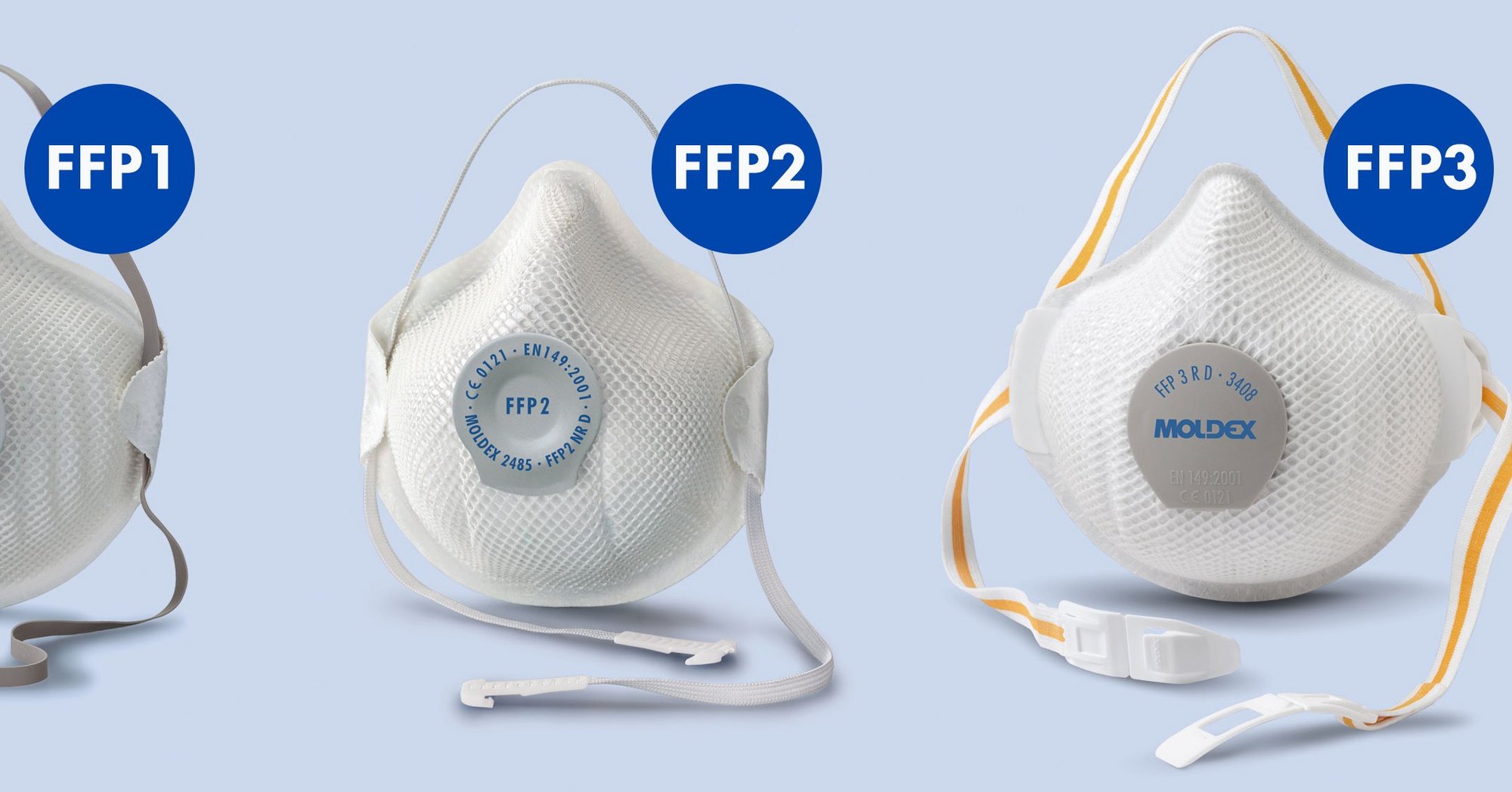
EN 149 is the respiratory protective mask standard widely applied across European Union member states. This standard specifies technical requirements for filtering half-masks designed to protect workers from dust, aerosols, and airborne hazardous agents. To achieve EN 149 certification, products must undergo rigorous testing regarding filtration efficiency, facial fit, breathability, and total inward leakage.
Based on particle filtration efficiency, the EN 149 standard categorizes masks into three main protection levels:
- FFP1: Minimum filtration efficiency of 80%, suitable for environments with low dust concentrations or non-toxic particles.
- FFP2: Minimum filtration efficiency of 94%, capable of blocking fine dust, aerosols, and numerous hazardous agents. This is a widely used level and is typically considered equivalent to the US N95 standard.
- FFP3: Minimum filtration efficiency of 99%, providing the highest level of protection within the EN 149 system, suitable for environments with high exposure risks to toxic dust, chemicals, or ultra-fine particles at high concentrations.
Asian standards (KN95 and KF94)
Across Asia, the two most popular and widely recognized protective mask standards are KN95 and KF94.
- KN95 standard (China): Regulated by the national standard GB2626. KN95-certified masks must achieve a minimum filtration efficiency of 95% against non-oil-based fine dust particles in the air. In terms of core technical parameters, KN95 is equivalent to the US N95 and European FFP2 standards.
- KF94 standard (South Korea): “KF” stands for Korean Filter. Managed by the Ministry of Food and Drug Safety of South Korea, this standard requires a minimum filtration efficiency of 94% against fine dust. KF94 masks are well-known for their signature 3D boat-shaped design, which ensures a secure fit while providing a comfortable breathing space for the wearer.

Vietnamese national standards (TCVN)
In Vietnam, protective and medical masks must meet testing requirements and satisfy the minimum standard set TCVN 8389:2010, while also being granted a circulation license by competent health authorities in accordance with the law.
The TCVN 8389:2010 standard set is clearly divided into three parts based on application:
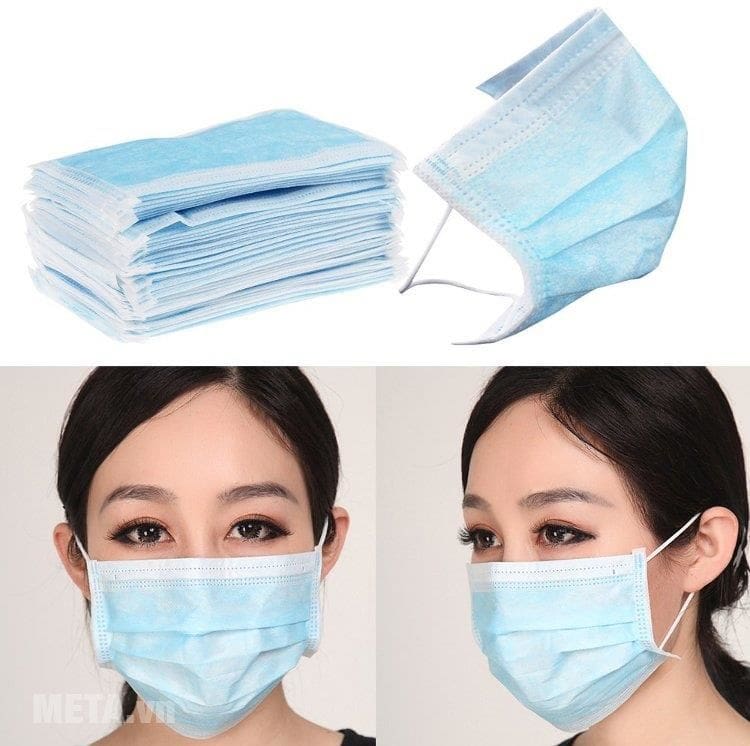
- TCVN 8389-1:2010 (Standard medical masks): Consisting of 2 to 4 flat, pleated layers of non-woven fabric with an integrated micro-filtration layer in the middle, a nose clip, and ear loops. This type is widely used in hospitals and clinics to block direct droplets.
- TCVN 8389-2:2010 (Anti-bacterial medical masks): Capable of blocking and eliminating up to 99,9% of bacteria directly on the surface thanks to an integrated nano-silver impregnated fabric layer, accompanied by a nose pad and an adjustable strap lock to enhance facial fit.
- TCVN 8389-3:2010 (Chemical-resistant and anti-toxic medical masks): In addition to protective and micro-filtration layers, this type is required to feature a specialized activated carbon layer to adsorb and filter toxic gases and mild chemical fumes, providing clean and safe airflow for the wearer.
Comparison of differences between protective mask standards
Although all aim to protect the respiratory system, each standardization system has its own requirements regarding filtration efficiency, facial fit, and application scope. Understanding these differences will help you easily choose the product that best suits your practical working environment:
| Standard | Minimum filtration efficiency | Oil resistance | Facial fit | Application region |
| N95 (US) | ≥ 95% | No | Very high | US, International |
| FFP2 (Europe) | ≥ 94% | Depends on classification | Very high | Europe |
| KN95 (China) | ≥ 95% | No | High | Asia, International |
| KF94 (South Korea) | ≥ 94% | No | High | South Korea, Asia |
| TCVN 8389 (Vietnam) | Varies by product line | No | Medium | Vietnam |
In addition to technical parameters, design and facial seal play a decisive role in actual protective effectiveness:
- N95 and FFP2: Require strict facial fit, making them the top choice for heavy industrial environments, intensive healthcare, or high-exposure areas.
- KN95 and KF94: Create an optimal balance between protection and daily comfort; among them, KF94 stands out with a 3D boat-shaped design that creates a spacious breathing chamber.
- TCVN 8389: Focuses strongly on blocking droplets, antibacterial properties, and routine dust filtration, serving as a familiar and optimal solution in the healthcare sector and daily life in Vietnam.
Conclusion
We hope this article has helped you better understand the common protective mask standards used today, from domestic to international standards. Always choose products with clear origins, reliable quality, and specifications suitable for your specific work environment to support a safe, professional, and sustainable workplace.
If you are looking for genuine protective masks with reliable quality at competitive prices, contact Thien Bang for prompt advice and support.
Hanoi office: 0981.056.066 – 0961.203.270
Ho Chi Minh City office: 0966.831.477 – 0986.720.134
See at more:
What Is a Protective Mask? Uses You May Not Know
How to choose protective masks for different working environments