
Every work environment comes with different risks, which means safety shoes need to provide the right level of protection. The EN ISO 20345 standard sets out technical requirements to help evaluate and classify shoes based on their protective capabilities. In this article, Thiên Bằng will help you get a better understanding of this standard.
What is the EN ISO 20345 standard?
EN ISO 20345 is a European standard for safety work shoes, setting the minimum requirements for protection and safety for users during work.
This standard is established by the European Committee for Standardization (CEN) and the International Organization for Standardization (ISO), aiming to ensure that safety shoes can protect users from hazards like impact, penetration, slipping, electric shock, chemicals, and extreme temperatures.
The EN ISO 20345 standard has been updated through several versions, including EN ISO 20345:2004, EN ISO 20345:2007, and EN ISO 20345:2011, which is the current version in use. Each update improves and refines the requirements for features, testing methods, and the safety level of safety shoes.
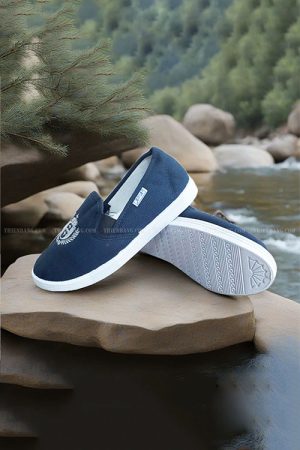
Protection levels of the EN ISO 20345 standard
Class 1 – Shoes protection levels
- SB (Safety Basic) – Basic protection: Toe cap + non-slip sole (SRA, SRB, SRC). The toe cap can withstand 200 J impact and no additional protective features are required.
- S1: SB + anti-static + oil resistant + shock-absorbing sole.
- S1P: S1 + puncture-resistant insole.
- S2: S1 + water resistant.
- S3: S2 + puncture-resistant insole + grooved outer sole.
Class 2 – Protective boot levels
- SB: Toe cap + slip-resistant sole (SRA, SRB, SRC) + waterproof.
- S4: SB + antistatic + oil-resistant + shock-absorbing sole.
- S5: S4 + puncture-resistant insole + grooved outsole.
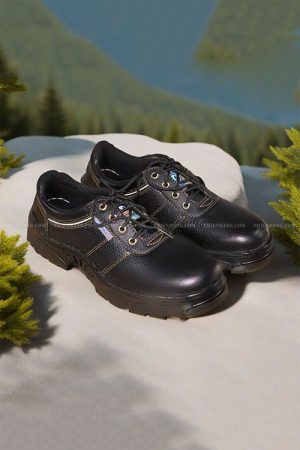
EN ISO 20345 standard markings
- SRA: Slip resistance on ceramic tile floors with sodium lauryl sulfate solution.
- SRB: Slip resistance on steel floors with glycerol.
- SRC: Meets both SRA and SRB slip resistance requirements.
- P (Puncture Resistance): Penetration-resistant outsole capable of withstanding a minimum force of 1,100 N.
- E (Energy Absorption): Energy absorption in the heel region.
- AN (Ankle Protection): Ankle impact protection.
- HRO (Heat Resistant Outsole): Heat-resistant outsole withstands temperatures up to 300°C for at least 60 seconds.
- C (Conductive): Conductive footwear designed to dissipate accumulated electrostatic charge.
- A (Antistatic): Antistatic properties.
- CI (Cold Insulation): Insulation against cold temperatures.
- HI (Heat Insulation): Insulation against high heat.
- WR (Water Resistance): Water resistance for the entire shoe.
- M (Metatarsal Protection): Metatarsal protection for the upper foot.
- WRU (Water Resistant Upper): Water-resistant and water-absorption-resistant upper.
- CR (Cut Resistant): Cut-resistant upper.
- FO (Fuel Oil Resistance): Fuel-oil-resistant outsole.
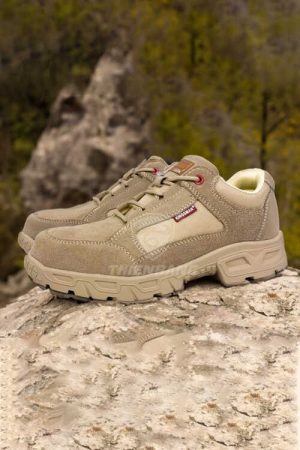
Benefits of understanding the EN ISO 20345 standard
- Accurately sssess protection needs: Understanding standard markings and safety levels helps determine the exact degree of protection required based on specific job characteristics and workplace hazards.
- Select the correct protection level: Clearly distinguishing between safety ratings (SB, S1, S1P, S2, S3, S4, and S5) enables businesses and workers to choose the right footwear rather than relying solely on appearance or price.
- Proactively prevent risks: Understanding each protective feature allows users to identify specific hazards the shoes can safeguard against, enabling proactive preparation before starting work.
- Ensure occupational safety requirements: Employers gain a solid, standard-based foundation to equip workers with personal protective equipment (PPE) tailored to specific job positions and working conditions.
- Avoid legal non-compliance: Equipping workers with proper PPE according to safety regulations ensures full compliance with occupational health and safety laws, minimizing the risk of administrative fines and penalties.
- Optimize procurement costs: Selecting the exact protection level prevents purchasing sub-standard footwear or over-investing in unnecessary protective features.
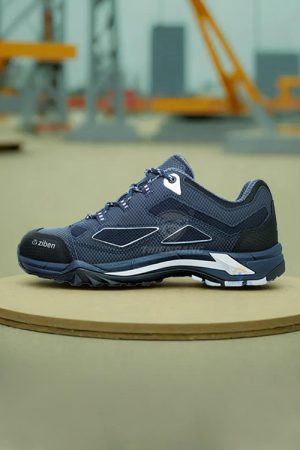
Conclusion
The EN ISO 20345 standard serves as an essential benchmark for evaluating and selecting the right safety shoes for various working conditions. We hope this article from Thiên Bằng has provided you with valuable insights. Equip yourself with quality safety footwear to ensure maximum protection and total peace of mind with every step!
📌 If you are looking to acquire certified, high-quality safety shoes, contact Thiên Bằng 0981.056.066 – 0966.831.477 today for expert consultation and the best quote!
You may also be interested in: Top 16 Safety Shoes for Workers in 2026