
Working in mechanics means your hands are constantly exposed to metal, machinery, and grease. A single mistake when gripping, assembling, or handling sharp-edged components can lead to scratches, punctures, or hand injuries. That is why choosing the right gloves is essential. Thien Bang introduces some mechanical gloves worth considering for mechanics.
Criteria for choosing compliant mechanical gloves
- Cut resistance: At least level 3 to level 5 under EN 388 to protect the hands from sharp edges.
- High abrasion and puncture resistance: Suitable for machining, cutting, and tasks involving frequent contact with sharp surfaces.
- Oil resistance and effective grip: Nitrile-coated, textured, or nitrile foam surfaces are preferred to improve grip when working in oily environments.
- Flexibility and breathability: An ergonomic design helps reduce hand fatigue and provides comfort during extended wear.
- Snug fit and correct sizing: Ensures a secure, precise grip and provides a natural feel when handling small components.
Mechanical gloves commonly chosen by mechanics
ANSELL HYFLEX 11-800 mechanical gloves
- This is one of the standout mechanical gloves, featuring a foam nitrile coating on a 15-gauge nylon liner.
- The gloves provide good grip in dry and slightly oily environments and offer level 3 abrasion resistance according to EN 388.
- ZONZ™ Comfort Fit technology allows greater hand flexibility during tasks while helping reduce fatigue during extended work periods.

ANSELL HYFLEX 11-801 mechanical gloves
- Developed as an upgrade to the 11-800, these mechanical gloves feature a thicker nitrile coating that improves grip when handling machinery and provides additional protection against minor cuts.
- The dark-colored design is suitable for demanding tasks such as metal fabrication and automotive repair. High elasticity allows for more flexible and precise handling.

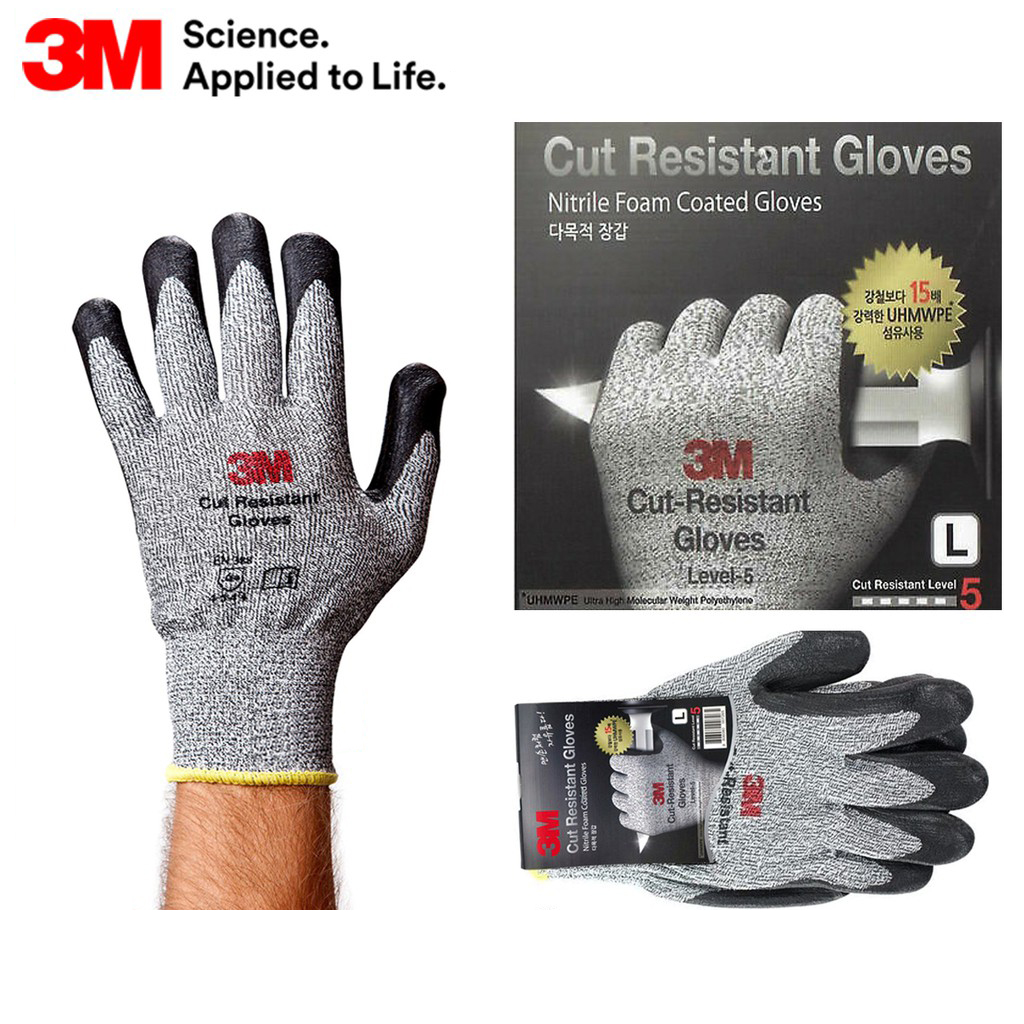
3M level 5 cut-resistant gloves
- If mechanical work frequently involves cutting sheet metal, handling glass, or coming into contact with sharp objects, cut resistance should be a priority when choosing gloves.
- This 3M glove provides level 5 cut resistance according to EN 388, combining high-strength HPPE fibers with a nitrile coating to provide hand protection while maintaining good grip during tasks.
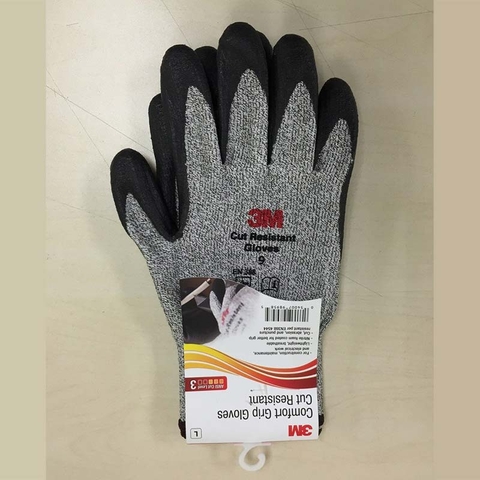
3M level 3 cut-resistant gloves
- With a medium level of protection, this glove is suitable for light mechanical tasks such as assembly or machinery maintenance.
- The nitrile coating improves grip during tasks, while the breathable design keeps hands feeling dry and comfortable during extended wear. It is a suitable option for workers new to the trade who are looking for mechanical gloves at a reasonable price with the necessary level of protection.
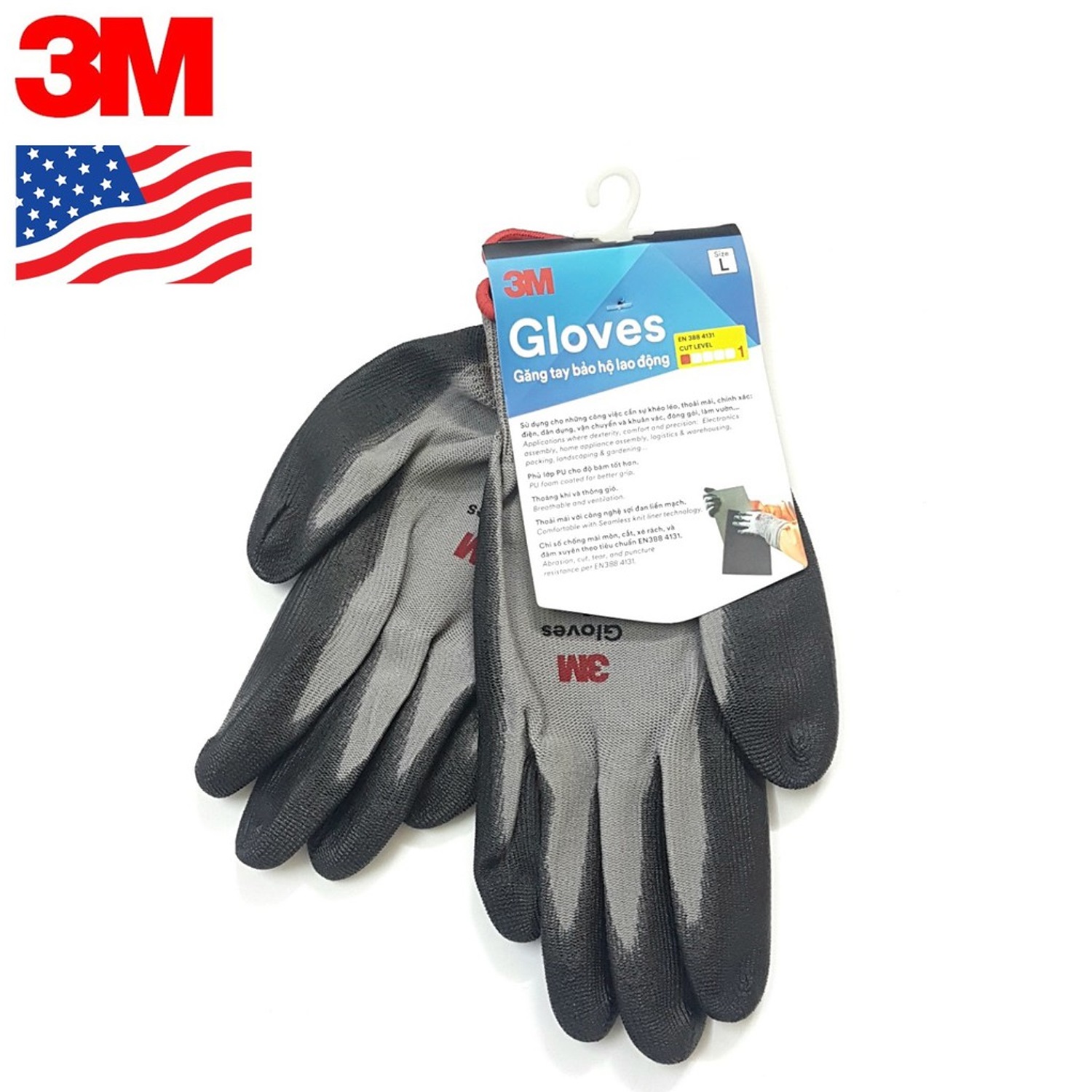
3M level 1 cut-resistant gloves
- Designed for lower-risk tasks such as packaging or transportation, this glove is lightweight, flexible, and comfortable to wear.
- Although it provides only level 1 cut resistance, the glove still offers basic hand protection and slip resistance. It is a suitable option for businesses that need to equip workers with mechanical gloves in large quantities while keeping costs under control.
Common mistakes to avoid when choosing mechanical gloves
When choosing mechanical gloves, many people focus only on the price and overlook the specific requirements of the job. Some common mistakes can directly affect hand protection:
- Choosing gloves that are too thin: They can tear easily and provide inadequate protection when working with sharp objects or in the event of impact.
- Ignoring oil resistance: Gloves can become slippery when exposed to oil and grease, reducing grip and increasing the risk of dropping tools.
- Overlooking cut resistance: When handling metal, sheet steel, or sharp objects, hands may be at risk of cuts if the gloves are not suitable.
- Not checking the EN 388 standard: Ignoring standard information makes it difficult to accurately assess the level of protection the gloves provide against mechanical hazards.
Tips for using and maintaining mechanical gloves
- Clean gently: Wash with warm water after each work shift to remove metal fragments and oil or grease from the gloves.
- Dry properly: Air-dry naturally in a well-ventilated area and avoid direct sunlight or high-temperature dryers.
- Rotate between pairs: Keep 2–3 pairs in rotation to prevent the gloves from becoming damp, developing odors, or wearing out quickly.
- Choose the right size: Gloves should not be too loose or too tight to maintain flexibility and precision during tasks.
Why choose mechanical gloves from Thien Bang
🔰 Genuine products meeting international EN 388/EN 407 standards
🔰 A wide range of models and sizes – available nationwide
🔰 Free technical consultation based on each industry and working environment
🔰 Attractive discounts for business and factory orders
📞 Contact us to place your order:
- Hanoi office: 0981.056.066 – 0961.203.270
- Ho Chi Minh City office: 0966.831.477 – 0986.720.134