
Among high-quality protective masks, N95 and KN95 masks are two of the most popular choices thanks to their excellent ability to filter dust and airborne particles. Although they are widely used in healthcare settings as well as everyday life, many people are still unclear about their similarities and differences. Let’s take a closer look at these two types of masks with Thien Bang below.
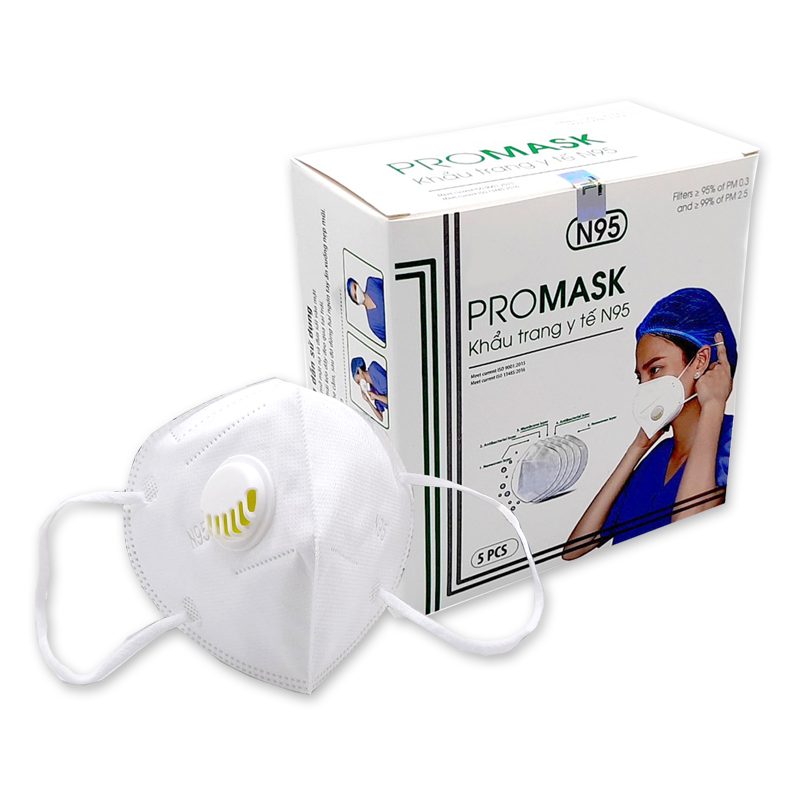
N95 mask
An N95 mask is a type of filtering respiratory protective device that meets the standards of NIOSH (the National Institute for Occupational Safety and Health), which is part of the U.S. Centers for Disease Control and Prevention (CDC).
Meaning of the name:
- N (Non-resistant to Oil): Indicates that the filter is not resistant to oil-based particles. Therefore, this type of mask should only be used in environments that do not contain oil or oil-based aerosols. When used in oily environments, the filtration performance of the filter may be reduced.
- 95: Indicates a minimum filtration efficiency of 95% for dust particles, bacteria, or very small airborne droplets measuring 0.3 microns or larger under standard testing conditions.
KN95 mask
A KN95 mask is a particulate-filtering respiratory protective device that meets China’s national standards, regulated under the GB 2626 standard series, with commonly referenced versions including GB 2626-2006 and GB 2626-2019.
Meaning of the name:
- KN: Indicates that the filter is designed for environments containing non-oil particles.
- 95: Indicates a minimum 95% filtration efficiency for fine particles, including PM2.5 (particles smaller than 2.5 micrometers), which can easily penetrate ordinary masks. This helps provide effective protection for the respiratory system.

Similarities between N95 and KN95 masks
- Ergonomic design: Both are designed to fit closely around the face to minimize leakage of unfiltered air. Many models feature a 3D or cup-shaped design, providing more breathing space and reducing discomfort when worn for extended periods.
- Multi-layer construction: N95 and KN95 masks typically consist of 3–5 layers of specialized materials, bonded using heat-sealing or ultrasonic technology to improve durability and maintain protective performance.
- High-quality nonwoven fabric: The core material of both types of masks is ultra-fine polypropylene nonwoven fabric, which can block small particles while maintaining breathability and minimizing skin irritation.
- Electrostatic filtration technology: The electrically charged meltblown filter layer effectively captures fine dust, bacteria, and droplets without significantly increasing breathing resistance.
- Filtration efficiency: Both types offer a minimum 95% filtration efficiency against particles measuring 0.3 microns or larger, including fine particulate matter such as PM2.5, bacteria, and viruses, and are designed for use against non-oil-based particles.

Differences between N95 and KN95 masks
| Comparison Criteria | N95 Mask | KN95 Mask |
| Regulatory standard | Regulated and certified by NIOSH (National Institute for Occupational Safety and Health) in the United States. | Regulated and certified under China’s national standards, specifically the GB 2626 standard series. |
| Common strap design | Typically uses two head straps, which distribute pressure more evenly and provide a tighter seal during work. | Often uses ear loops, offering greater convenience and speed for everyday use. |
| Fit | Healthcare workers are required to undergo fit testing to ensure a proper seal and prevent air leakage. | A formal fit test is not generally required in the same way as under the N95 occupational respiratory protection system. |
| Leakage testing | Does not require a full-face leakage test in a standard laboratory setting. | The standard requires testing for inward leakage, with a maximum allowable level of 8% under specified test conditions. |
| Inhalation resistance | Maximum of approximately 343–350 Pa, with stricter requirements to ensure the mask maintains its structure under strong inhalation. | Maximum of 250 Pa, providing lower breathing resistance and potentially making inhalation feel easier. |
| Exhalation resistance | Maximum of 250 Pa. | Maximum of 150 Pa, which can make exhalation feel more comfortable and reduce the sensation of stuffiness. |
.webp)
When to use N95 and KN95 masks
When should you use an N95 mask?
N95 masks feature head straps that provide a secure, tight fit and meet the stringent requirements of the U.S. NIOSH standard, making them particularly suitable for high-risk situations:
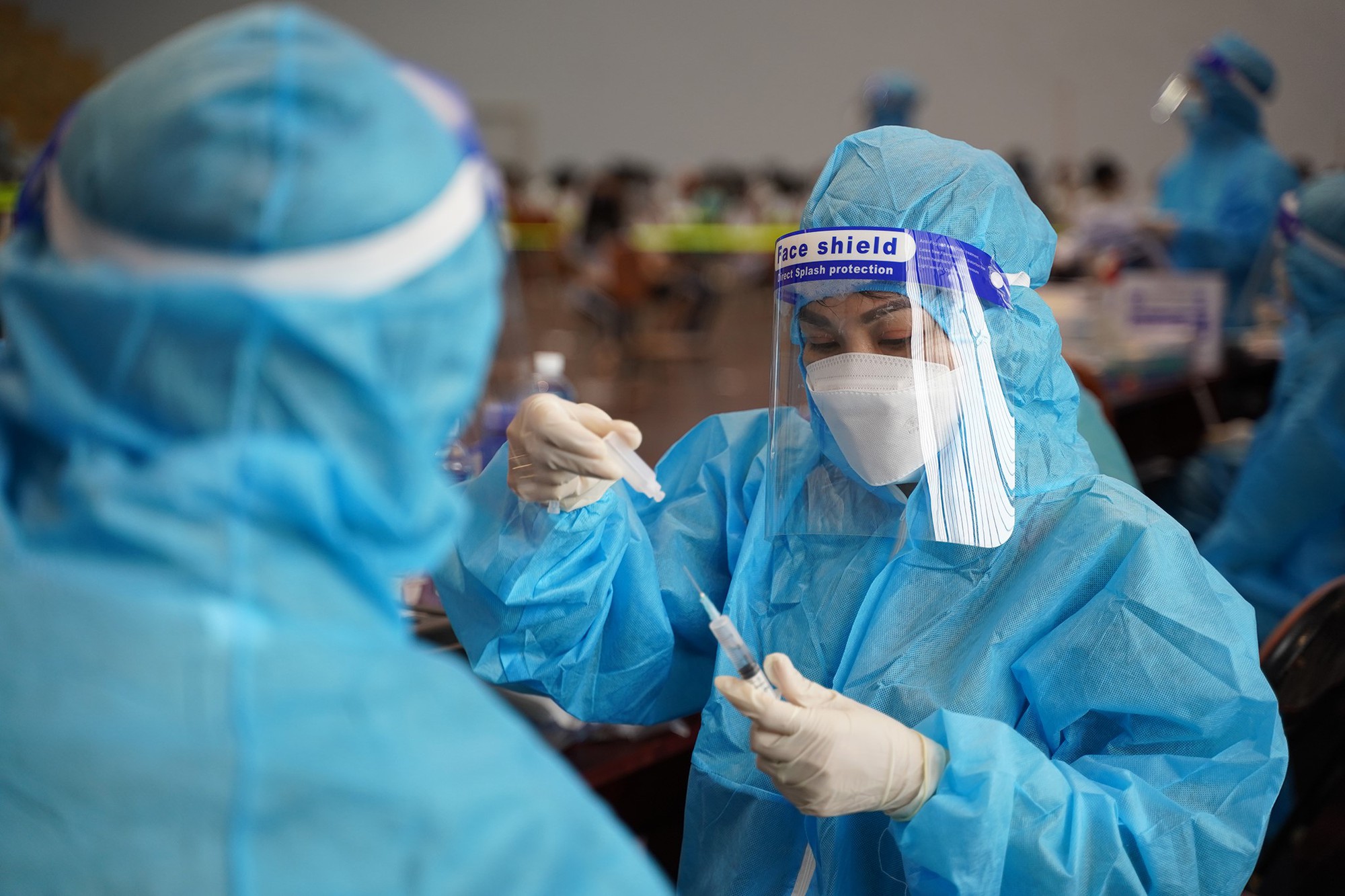
- Healthcare workers: Doctors and nurses working in emergency rooms, isolation wards, intensive care units (ICUs), or directly treating patients with airborne infectious diseases.
- Aerosol-generating procedures: During medical procedures such as intubation, specimen collection, or respiratory endoscopy.
- People with serious underlying conditions: Immunocompromised individuals and older adults who need to visit high-risk settings such as hospitals and clinics.
- High-hazard environments: Jobs involving direct exposure to hazardous particulate chemicals, toxic industrial dust, or extremely dense smoke and airborne particles.
When should you use a KN95 mask?
KN95 masks offer a similar 95% filtration efficiency but typically use ear loops, making them more convenient and easier to put on and remove. They are suitable for everyday use, such as:
- Public transportation: Riding buses, trains, or airplanes, as well as traveling through crowded airports and train stations.
- Daily activities and work: Offices, schools, supermarkets, shopping malls, or crowded indoor events.
- Poor air quality: Going outdoors on days when the Air Quality Index (AQI) is unhealthy or when PM2.5 pollution levels are high.
- Light-duty work environments: Work involving dust, painting, woodworking, or household cleaning.

Conclusion
Overall, N95 and KN95 masks are both highly effective respiratory protection solutions when they meet the appropriate technical standards and come from reliable sources. Depending on the working environment and the level of exposure to fine particles or other harmful agents, users can choose the most suitable product to maximize protection for themselves and their families.
Currently, genuine N95 and KN95 masks are available from Thien Bang, with a wide range of models and competitive prices thanks to our direct import advantage.
Contact us via hotline today for detailed consultation and support!
Hanoi Office: 0981.056.066 – 0961.203.270
Ho Chi Minh City Office: 0966.831.477 – 0986.720.134
You may also be interested in:
Reputable, High-Performance Gas Masks and Chemical Respirators
Affordable Respirator Masks & Industrial Safety Masks Nationwide