
A safety harness is an essential protective gear for construction workers, electricians, painters, and anyone who often works at heights. Picking the right product helps users feel more secure while working and fits the specific work situation. So, how do you choose a safety harness? Let’s find out with Thien Bang right below.
Determine the working environment
Before you choose a safety harness, you need to identify the specific conditions of the working environment. The level of risk and working height directly affect the choice of harness and suitable accessories.
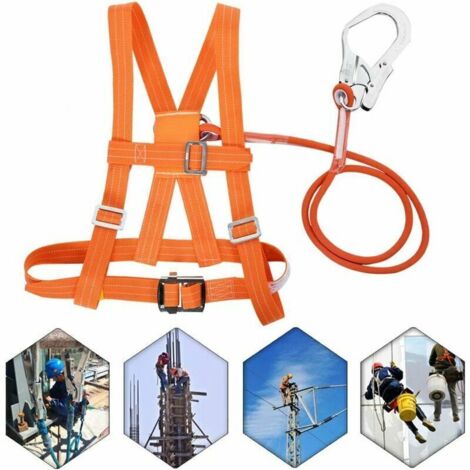
- Working at low to medium heights (below 5 m, on relatively stable surfaces such as low-slope roofs or low scaffolding): The risk level is moderate. A half-body harness combined with a short restraint lanyard can be used to limit movement and provide basic fall protection.
- Working at greater heights in complex, high-risk environments (high-voltage power poles, telecommunication towers, or building edges): These conditions involve a significant risk of falling from height. A full-body harness combined with a shock absorber helps reduce impact forces in the event of a fall, while large hooks make attachment easier.
- Specialized environments with extremely high risks (rescue operations, confined spaces, or difficult elevated locations): A specialized full-body harness with high load-bearing capacity and multiple attachment points is required to support suspension, positioning, and emergency rescue operations.

Evaluating the quality of safety harness components
When you choose a safety harness, carefully inspecting each component is essential to ensure the product has adequate load-bearing capacity and durability.
Harness webbing
- Prioritize products made from polyester, nylon, or other high-quality synthetic fibers. These materials offer excellent tensile strength, abrasion resistance, and resistance to harsh weather conditions such as sunlight, rain, and humidity.
- For specialized working environments such as outdoor areas, coastal locations, or places where chemicals are present, consider harnesses with UV-resistant, waterproof, or chemical-resistant coatings to extend the service life of the equipment.

Hooks and buckles
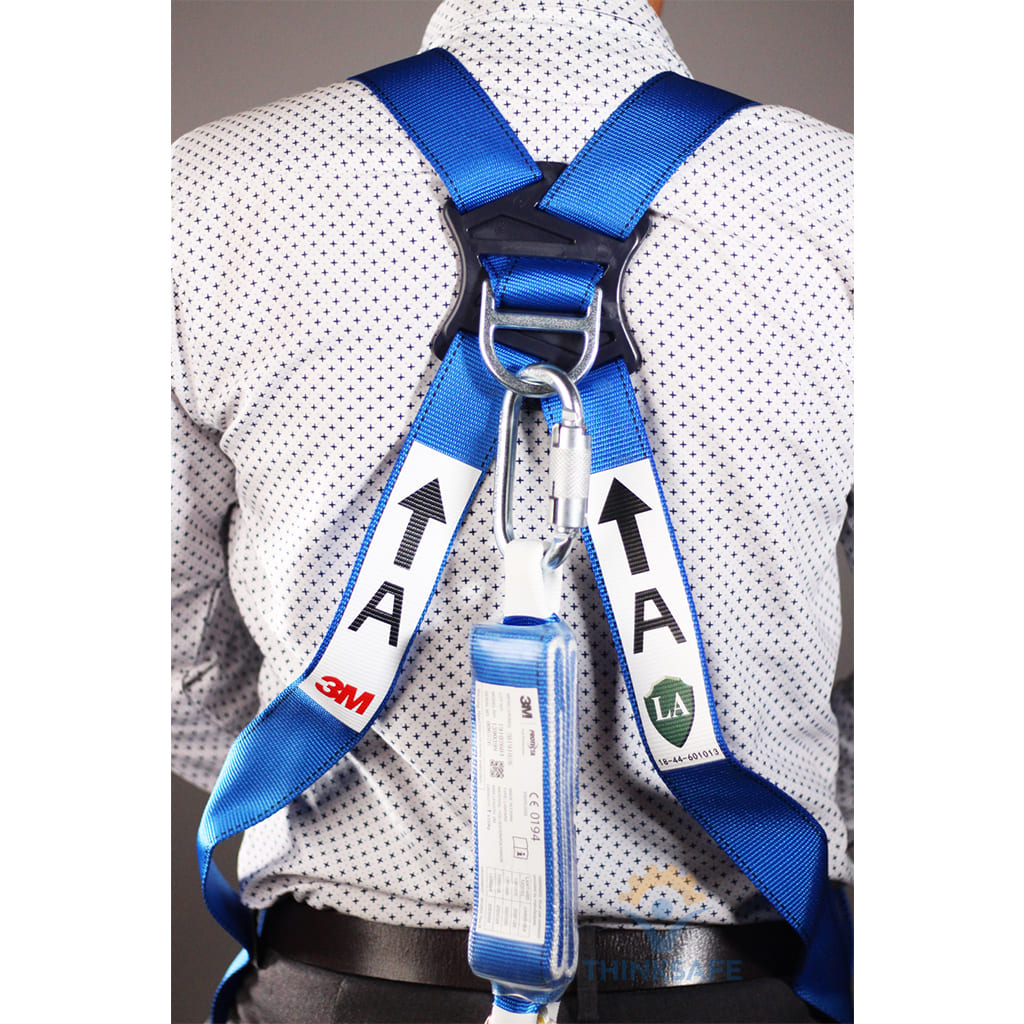
- These components directly bear the load and secure the worker, so when you choose a safety harness, they should be made from corrosion-resistant alloy steel or high-quality galvanized carbon steel.
- Hooks and buckles should have a high load-bearing capacity, typically around 1,500–2,000 kg, with a sturdy locking mechanism that is easy to operate while remaining securely closed throughout work at height.
- It is also advisable to choose models with double-locking mechanisms for enhanced safety when moving at height.
Checking safety harness quality standards
When you choose a safety harness, you should check its applicable standards and quality certifications to determine whether the product meets relevant safety requirements.
Some common standards and certifications found on safety harnesses include:
- CE (Europe)
- ANSI (United States)
- OSHA (United States)
- TCVN (Vietnam)
These standards relate to requirements for equipment design, durability, load-bearing capacity, and safety when used under appropriate conditions.
Testing fit and comfort
- The harness should have adjustment points at the shoulders, chest, hips, and thighs so it can be adjusted to fit the user’s body shape.
- The adjustment buckles should be easy to operate, allowing the harness to fit snugly without being too tight or restricting movement.
- When trying on the harness, stand upright and adjust the straps so they are not twisted, loose, or causing uncomfortable pressure on the body.
- Perform movements such as walking, bending, and turning to check flexibility. The harness should not cause discomfort, pain, or shift out of position during movement.
- If the harness needs to be worn for extended periods, consider a model with padded shoulder, back, and thigh sections to reduce pressure on contact areas.
Choosing a brand and supplier
When you choose a safety harness, in addition to product quality, you should also carefully research the brand and supplier before making a purchase.
- Prioritize suppliers with experience in the occupational safety equipment industry, clear product information, and a transparent business address.
- Check the product’s origin, technical standards, and relevant documentation to assess its quality and compliance.
- Choose suppliers that offer clear warranty, return, and after-sales support policies.
- For businesses purchasing in large quantities, prioritize suppliers that can provide product consultation, meet order requirements, and supply the necessary documentation.
Official safety harness distributor
With more than 16 years of experience in the occupational safety equipment industry, Thien Bang is a trusted supplier of genuine safety harnesses that meet quality standards.
Why choose Thien Bang?
- Genuine products: A wide range of models, from full-body to half-body harnesses, with inspection and certification documents from reputable brands such as COV and SSEDA.
- Competitive prices: Optimized pricing with attractive discounts for large-quantity orders.
- Dedicated consultation: Our knowledgeable technical team is ready to help customers choose the right products for their specific working environments.
Contact Thien Bang Safety Equipment for consultation and the best quotation:
Hanoi office: 0981.056.066 – 0961.203.270
Ho Chi Minh City office: 0966.831.477 – 0986.720.134