
Selecting the right personal protective equipment (PPE) is essential in any industrial environment, and knowing how to choose a safety helmet is one of the most important decisions for protecting workers. Whether you work in construction, manufacturing, mining, or electrical maintenance, the right helmet can significantly reduce the risk of serious head injuries.
This guide explains the key factors to consider when choosing a safety helmet that provides both reliable protection and long-lasting comfort.
Why It Is Important to Choose the Right Safety Helmet
Head injuries remain one of the most serious workplace hazards. Falling objects, accidental impacts, and electrical risks can all cause severe injuries if workers are not wearing appropriate head protection.
Understanding how to choose a safety helmet helps employers comply with workplace safety regulations while ensuring employees are equipped with PPE that matches their working conditions. A properly selected helmet not only improves safety but also increases worker confidence and productivity.
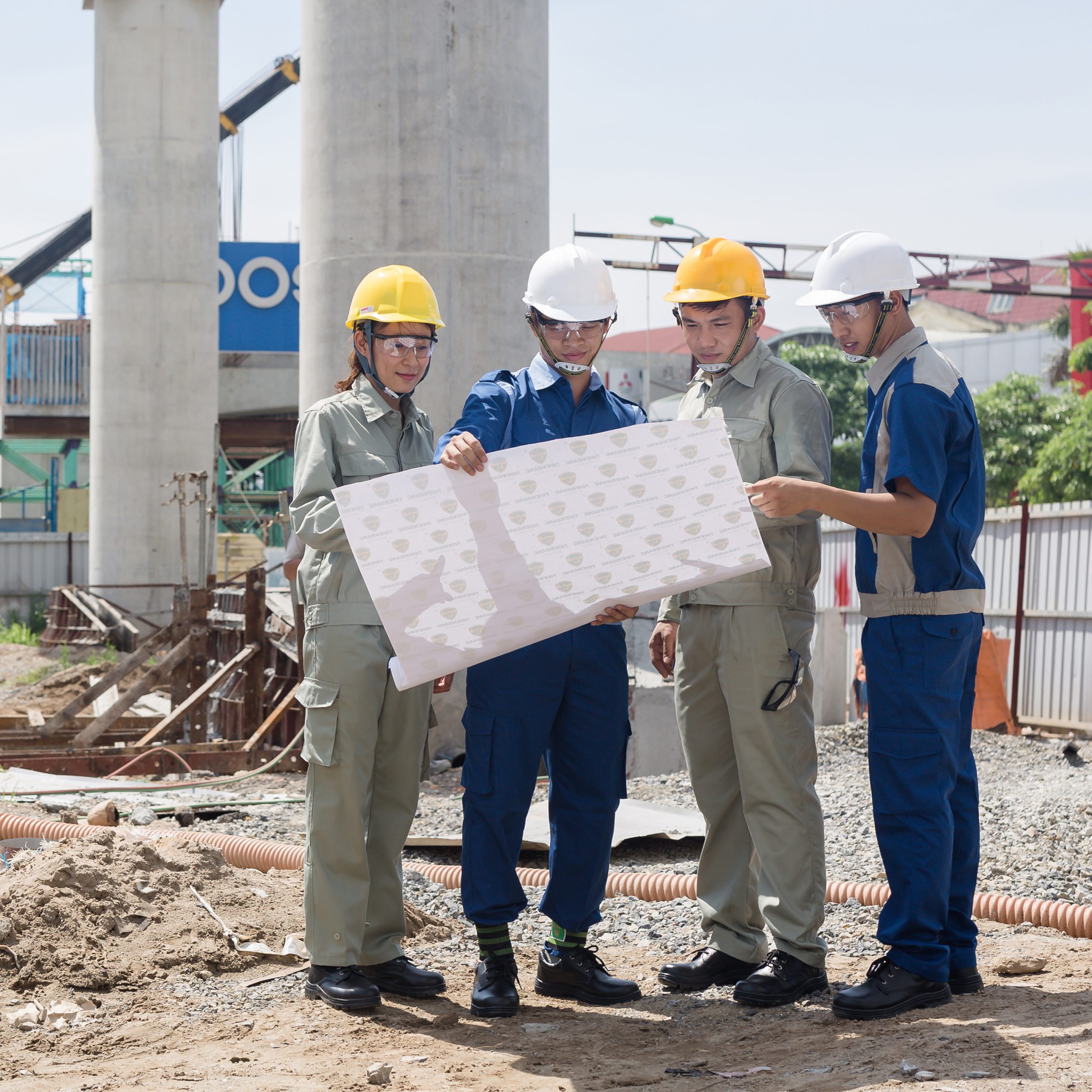
How to Choose a Safety Helmet
Learning how to choose a safety helmet starts with evaluating the work environment and understanding the hazards employees may encounter.
1. Identify Workplace Hazards
Different industries require different levels of protection. Before purchasing a helmet, assess the risks associated with the job.
For example:
- Construction sites with falling tools or materials
- Manufacturing plants with overhead equipment
- Electrical work requiring insulated helmets
- Mining and heavy industries with high-impact hazards
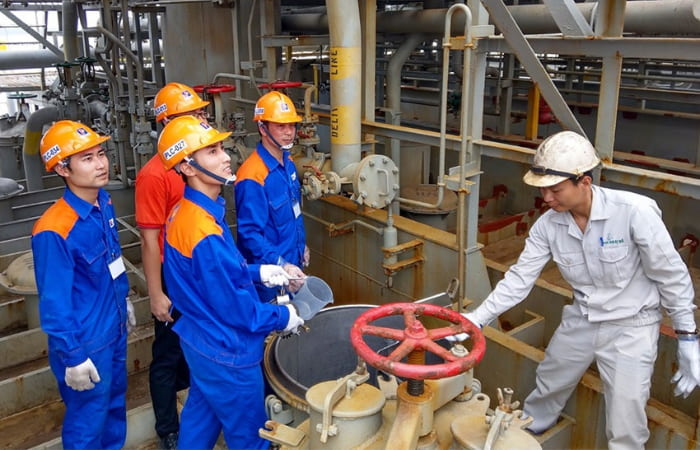
Selecting a helmet designed for your specific work environment is the first step toward effective protection.
2. Check Safety Standards and Certifications
Always choose helmets that comply with recognized safety standards.
Some of the most common certifications include:
- ANSI Z89.1 (United States)
- EN 397 (European Standard)
- CSA Z94.1 (Canada)
- Other local occupational safety regulations

Certified helmets undergo rigorous testing for impact resistance, penetration protection, and overall durability.
3. Choose the Right Helmet Material
Helmet materials affect strength, weight, and resistance to different workplace hazards.
Common materials include:
- HDPE (High-Density Polyethylene): Lightweight, durable, and cost-effective
- ABS Plastic: Offers excellent impact resistance and longer service life
- Fiberglass: Suitable for high-temperature environments
- Polycarbonate: Strong and highly resistant to impact

Choosing the appropriate material is an important part of how to choose a safety helmet, especially in demanding industrial applications.
4. Make Sure the Helmet Fits Properly
A safety helmet should fit securely without causing discomfort. Workers often wear helmets for extended periods, so comfort plays a major role in ensuring consistent use.
Look for features such as:
- Adjustable ratchet suspension
- Four-point or six-point harness
- Sweatband for moisture control
- Lightweight design
- Good ventilation

A properly fitted helmet provides better protection while reducing fatigue during long work shifts.
5. Consider Additional Safety Features
Modern safety helmets are available with accessories that improve protection and convenience.
Useful features include:
- Chin straps for added stability
- Face shields
- Hearing protection attachments
- Reflective strips for better visibility
- Helmet-mounted lights
- Visors for eye protection

Choose accessories based on the specific requirements of your workplace.
Common Mistakes to Avoid
Many organizations focus only on price instead of overall quality and safety.
Avoid these common mistakes:
- Purchasing helmets without safety certification
- Continuing to use cracked or damaged helmets
- Ignoring the manufacturer’s replacement recommendations
- Selecting the wrong helmet type for the work environment
- Failing to adjust the suspension system correctly

Regular inspections and timely replacement are essential for maintaining workplace safety.
Tips for Maintaining a Safety Helmet
Proper maintenance helps extend the lifespan of a helmet while ensuring it continues to provide reliable protection.
Best practices include:
- Inspect the helmet before each use.
- Clean it regularly using mild soap and water.
- Store it in a cool, dry place away from direct sunlight.
- Replace worn suspension components when necessary.
- Replace the entire helmet after a major impact or according to the manufacturer’s recommended service life.
Routine maintenance ensures that helmets continue to perform as intended throughout their lifespan.