
Odor in safety shoes is a common problem for workers who have to wear their shoes for long hours in hot, humid environments where sweat and dirt can easily accumulate. Besides causing discomfort, unpleasant odors can also affect foot hygiene and the overall wearing experience. In this article, Thiên Bằng will share simple and effective ways to remove odor in safety shoes, helping keep your footwear clean, fresh, and comfortable throughout the day.
Causes of odor in safety shoes
- Wearing shoes continuously for long periods: Workers often have to wear safety shoes throughout their shifts, typically for 8–10 hours a day. Since the feet remain enclosed, sweat cannot evaporate easily and accumulates in socks and insoles, eventually causing unpleasant odors.
- Poorly breathable shoe materials: Shoes made from synthetic leather or low-quality lining materials often have limited moisture absorption and ventilation. Sweat becomes trapped inside, keeping the shoes damp and creating favorable conditions for odor development.
- Improper shoe cleaning: Many people only clean the outer surface of their shoes without washing the insoles or cleaning the interior. Over time, sweat, dead skin cells, and dirt accumulate, creating an environment where bacteria can grow and unpleasant odors become stronger.
- Specific working environments: Workers in mechanical workshops, oil and gas facilities, construction sites, or food processing plants are often exposed to water, grease, and dust. These substances can stick to shoes, increase moisture levels, and cause unpleasant odors to develop more quickly.
- Individual body characteristics: People with overactive sweat glands on their feet tend to produce more sweat than usual. When wearing enclosed safety shoes for many hours, moisture cannot escape easily, causing the shoes to develop odors more quickly.

Simple and effective ways to remove odor from safety shoes
Safety shoes are often worn continuously in hot, poorly ventilated working environments, making them prone to unpleasant odors caused by accumulated sweat and bacteria. Below are several methods for removing odors from safety shoes, ranging from simple, quick solutions to more thorough approaches, helping keep your footwear dry, fresh, and durable.
Using readily available natural ingredients
- Using used tea bags (or dried tea leaves): Place used tea bags (after allowing them to dry) or a small amount of dried tea leaves inside your shoes overnight. Tea has good moisture-absorbing properties and can help absorb odor-causing compounds.
- Using orange, lemon, or grapefruit peels: Citrus peels contain natural essential oils with a pleasant fragrance and mild antibacterial properties. Place a few pieces of fresh or dried peel inside your shoes for several hours to help reduce unpleasant odors.
- Using coffee grounds or coffee powder: Allow used coffee grounds to dry completely, then place them in a small fabric bag and leave it inside your shoes overnight. This helps absorb unpleasant odors while leaving behind a mild coffee scent.
- Using baking soda: Sprinkle a thin layer of baking soda directly inside your shoes or place it in a small fabric bag and leave it inside overnight. The next morning, remove the powder or use a vacuum cleaner to clean it out. Baking soda is alkaline and can help neutralize acidic odor-causing compounds produced by foot sweat.
Using specialized deodorizing products and accessories
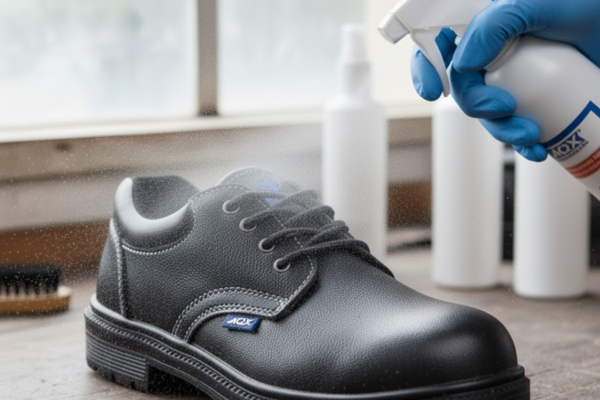
- Using specialized shoe deodorant sprays: Antibacterial deodorant sprays containing ingredients such as isopropyl alcohol, tea tree oil, peppermint, or silver ions can help eliminate odor-causing bacteria and mold inside shoe linings. Spray a light layer inside the shoes after use and allow them to dry completely before wearing them again.
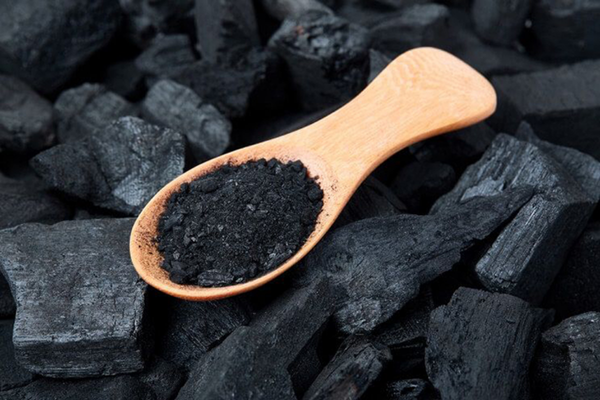
- Using odor-resistant insoles: Replace old insoles with ones containing activated charcoal or cinnamon layers. Activated charcoal is particularly effective at absorbing unpleasant odors and moisture throughout the working day.
Proper shoe cleaning and maintenance
- Washing and drying insoles regularly: Insoles absorb the most sweat inside safety shoes. Remove them, wash them thoroughly with soap, and leave them to dry in the sun or a well-ventilated area at least 1–2 times a week.
- Air-drying shoes in a well-ventilated area: After use, avoid storing shoes immediately in enclosed cabinets or plastic boxes. Instead, place them in a dry, well-ventilated area. Avoid exposing shoes directly to intense sunlight, as this can harden the leather, weaken the adhesive, or damage protective materials.
- Alternating between pairs of shoes: If possible, prepare two pairs of safety shoes and alternate between them. Allow each pair to rest for 1–2 days so that accumulated moisture can evaporate completely before wearing them again. This gives the shoes sufficient time to dry out.
- Using a shoe dryer or UV sterilizer: For workers in consistently damp environments, such as construction sites during the rainy season or underground mines, investing in a mini shoe dryer or a UV sterilizing device can help reduce moisture and odor-causing bacteria inside shoes.
Maintaining Proper Foot Hygiene
- Wash your feet with warm water and soap after each working day.
- Make sure your feet are completely dry before putting on safety shoes.
- Use baby powder or talcum powder to help reduce moisture and keep your feet dry.
- Change socks daily and prioritize cotton or bamboo-fiber socks with good moisture-wicking properties.
Important tips for removing odor from safety shoes
- Avoid spraying perfume directly onto shoes: This only masks unpleasant odors temporarily without eliminating the bacteria responsible for odor buildup inside the shoes.
- Alternate between pairs of shoes: Avoid wearing the same pair continuously for several days. Prepare at least two pairs and alternate between them, allowing each pair enough time to release accumulated moisture and dry completely.
- Know when to replace your shoes: If your safety shoes are too old and have developed persistent odors that cannot be eliminated, consider replacing them with a new pair to protect your foot health.
- Follow proper cleaning methods for specialized safety shoes: For specific types of footwear, such as steel-toe safety shoes or anti-static shoes, use appropriate cleaning methods to avoid affecting their protective and safety features.
Conclusion
Although unpleasant odor in safety shoes may seem like a minor issue, they can significantly affect comfort, foot hygiene, and the overall working experience. Through the simple, effective, and cost-saving odor removal methods shared by Thien Bang, we hope your feet will stay dry, fresh, and comfortable throughout the working day.
Remember to clean and dry your shoe insoles regularly to prevent the growth of odor-causing bacteria and mold. In particular, investing in genuine safety shoes made from genuine leather combined with high-quality breathable fabrics from Thiên Bằng is also an effective way to minimize odors at their source.
Thiên Bằng takes pride in providing:
- Comprehensive protective equipment solutions for individuals and businesses.
- A wide range of genuine products, including safety shoes (XP, Safety Jogger, Dragon, etc.), workwear, safety glasses, helmets, gloves, and more.
- Large warehouse and showroom systems in Hanoi and Ho Chi Minh City, with readily available stock for fast delivery.
- Competitive pricing and attractive discounts for distributors and construction teams nationwide.
Contact with us today via our hotlines 0981.056.066 – 0966.831.477 for professional consultation and the best price quotations.
You may also be interested in: Top 16 best safety shoes for workers in 2026