
During cutting, grinding, turning, welding, and other metalworking operations, mechanics’ eyes can be exposed to various hazards, including metal shavings, fine dust, sparks, and intense light. Therefore, safety glasses for mechanics are essential protective equipment to help shield the eyes from flying particles and other workplace hazards. In this article, Thien Bang explores suitable types of safety glasses for different mechanical tasks, along with important tips for proper use.
Potential eye hazards for mechanics
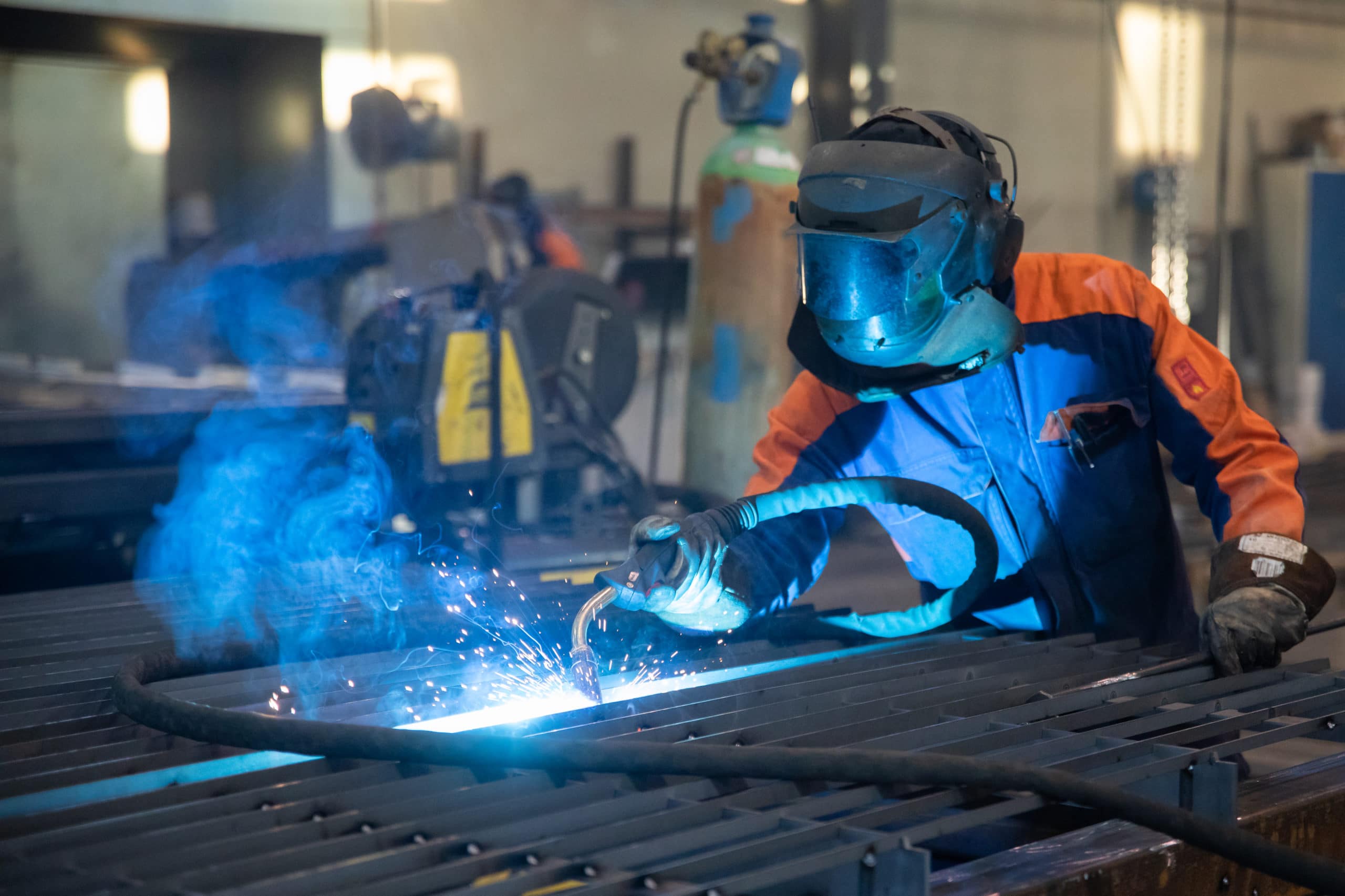
During machining and manufacturing operations, mechanics are regularly exposed to various workplace hazards that can affect their eyes. The main risks include:
- Hazards from flying particles: Metal shavings and fragments produced during metalworking can strike the eyes at high speeds. Fine dust particles (less than 10 micrometers in size) can also enter the eyes, causing irritation and inflammation.
- Hazards from intense light: Welding sparks and intense light from plasma or laser equipment can damage the eyes, particularly the cornea, after prolonged exposure. High-intensity light can also cause eye strain and dryness, potentially affecting vision.
- Hazards from chemicals: Solvents, acids, alkalis, and oils or grease may splash into the eyes during work. Certain chemical vapors in the workplace can also cause eye irritation and inflammation.
To help prevent eye injuries and ensure workplace safety, wearing safety glasses for mechanics is essential. This protective equipment helps shield the eyes from workplace hazards, reduce the risk of injury, and protect mechanics’ vision during daily operations.
Types of safety glasses for mechanics
Depending on the hazards present in the workplace, mechanics should choose suitable protective equipment to effectively protect their eyes.
Impact-resistant safety glasses
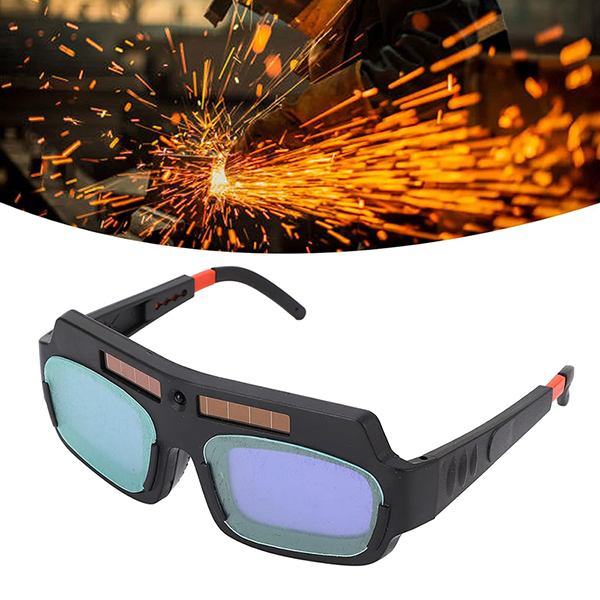
- The lenses are typically made of clear polycarbonate, offering high mechanical strength and scratch resistance.
- A close-fitting design combined with side shields helps protect against metal shavings, machining chips, and fragments flying from different directions.
- Suitable for daily use during cutting, grinding, turning, and assembly work.
Welding glasses and welding helmets
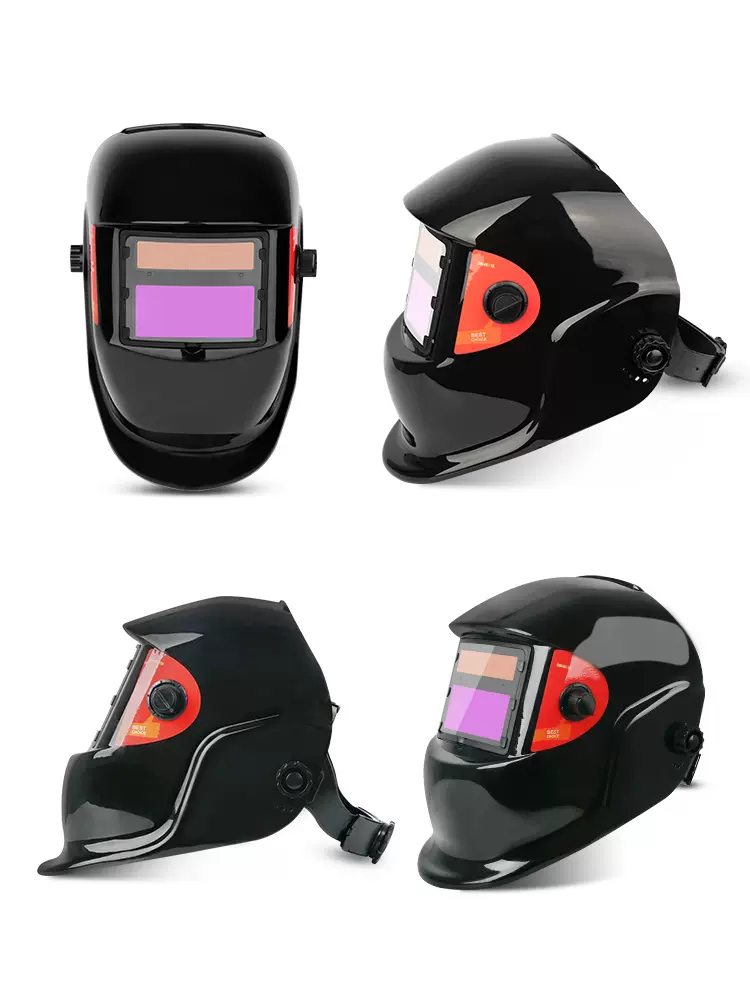
- Equipped with specialized dark lenses, typically ranging from DIN 9 to DIN 13, or automatic darkening lenses that activate when an arc is detected.
- Help block ultraviolet (UV) radiation, infrared (IR) radiation, and intense visible light, protecting the worker’s cornea and retina.
- Suitable for electric welding, TIG welding, MIG welding, and plasma cutting.
Chemical-resistant safety goggles
- Designed as sealed goggles that cover the entire eye area, with soft rubber or silicone seals that fit closely against the face.
- Indirect ventilation helps prevent solvents, acids, oils, grease, and fine particles from entering the goggles.
- Particularly necessary when performing metal surface treatment with rust-removing chemicals, paint solvents, or grinding materials that generate large amounts of fine airborne dust that can irritate the eyes.

Common mistakes to avoid when using safety glasses for mechanics
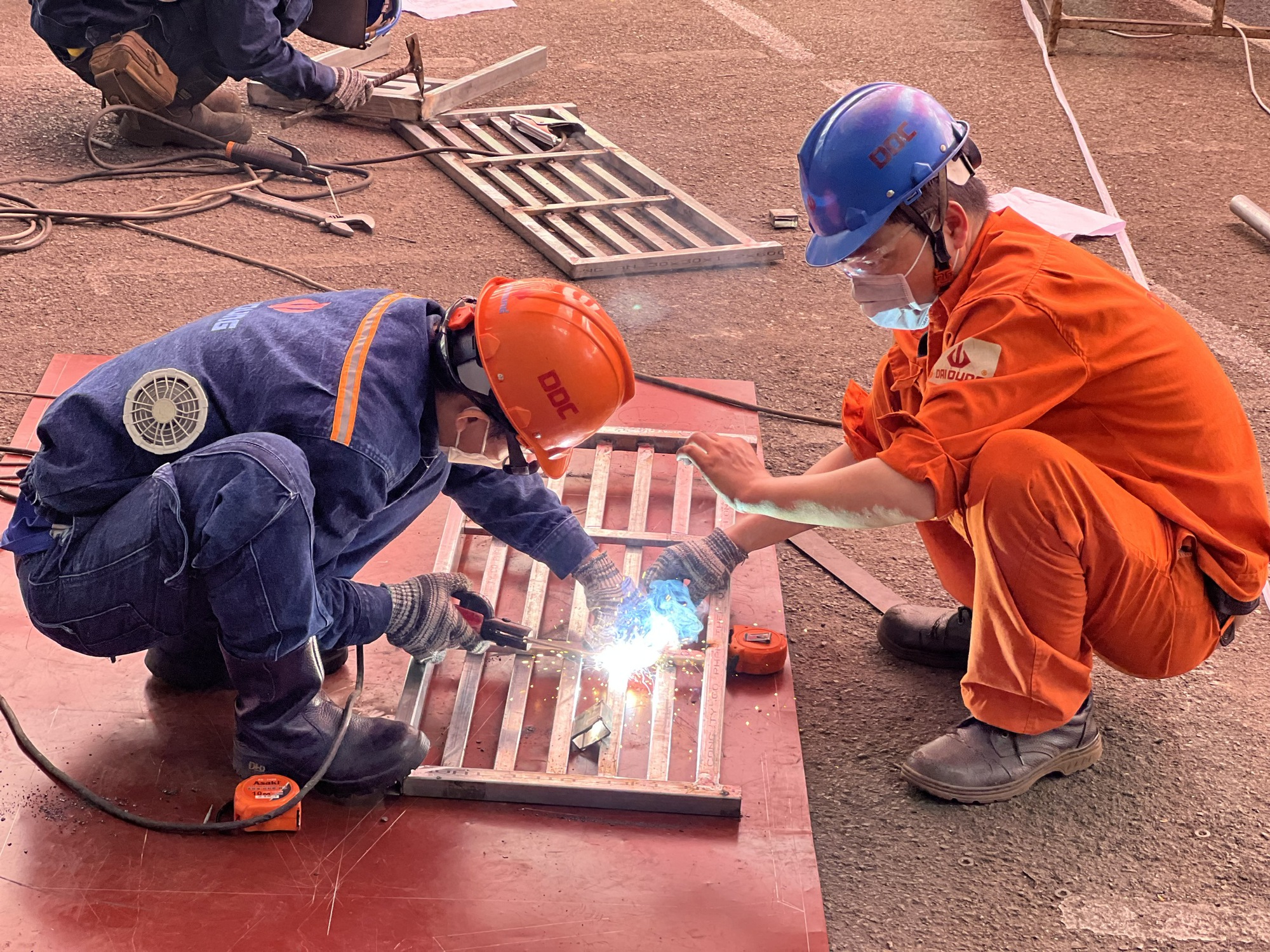
- Wearing safety glasses only when reminded: Workers often take off their glasses during “quick” or “minor” tasks, such as tack welding or light deburring. However, metal particles can still enter the eyes during these seemingly low-risk moments.
- Cleaning the glasses with a dry cloth, shirt, or tissue: This can cause tiny metal particles and dust trapped on the fabric to rub against the lenses, resulting in permanent scratches and reduced visibility.
- Pushing the glasses onto the forehead or wearing them loosely around the neck during breaks: Dust, dirt, and grease can easily get onto the inside of the glasses. When the glasses are put back on, these contaminants may come into direct contact with the eyes.
- Continuing to use glasses that have suffered heavy impact or severe scratches: Even if there are no visible cracks, glasses that have experienced a strong impact may have weakened material and reduced impact resistance.
- Improper storage after use: Leaving the glasses on a workbench, placing them together with heavy tools, or storing them without a protective case can cause them to become deformed, scratched, or dirty more quickly.
Where to buy safety glasses for mechanics
When looking for safety equipment that meets the required standards for mechanics, Thien Bang is one of the reputable suppliers in Vietnam that manufacturing workshops, businesses, and mechanics can consider.
- Genuine products from various brands: Thien Bang offers a wide range of dust-resistant safety glasses, impact-resistant glasses, welding glasses, and specialized welding helmets from leading brands such as 3M and Honeywell, meeting different workplace requirements.
- Quality assurance: Products have clear origins and comply with relevant safety standards, such as TCVN, ANSI Z87.1, and CE EN166.
- Reasonable pricing: Products are available at different price points, from affordable to premium options, with attractive discounts for bulk orders. Technical consultation is also available to help customers choose suitable products for specific job requirements.
Invest in workplace safety and protect the eyes of mechanics. Contact Thien Bang directly for product consultation and quotations.
Hanoi office: 0981.056.066 – 0961.203.270
Ho Chi Minh City office: 0966.831.477 – 0986.720.134
See at more: Top 5 mechanical gloves worth having in every mechanic’s toolbox